
How long does dental freezing last?


- Upper-teeth numbness usually lasts 1 to 2 hours, lower teeth 3 to 4 hours, and complex procedures 4 to 5 hours or longer.
- Avoid eating solid food or drinking hot beverages while numb so you don't accidentally bite your cheek or burn yourself.
- Light movement and gentle massage can help sensation return faster; caffeine and supplements make no real difference.
Dental freezing usually wears off within 1 to 2 hours for upper teeth and 3 to 4 hours for lower teeth, while complex procedures can keep you numb for 4 to 5 hours or longer. How quickly sensation returns depends on the procedure, the tooth’s location, and your own body.
Dental freezing, also called local anesthetic, blocks pain signals near the tooth’s nerves during a procedure so you stay comfortable. Modern anesthetics such as lidocaine and articaine work quickly and predictably, which makes the timing fairly easy to anticipate.
How long the numbness lasts
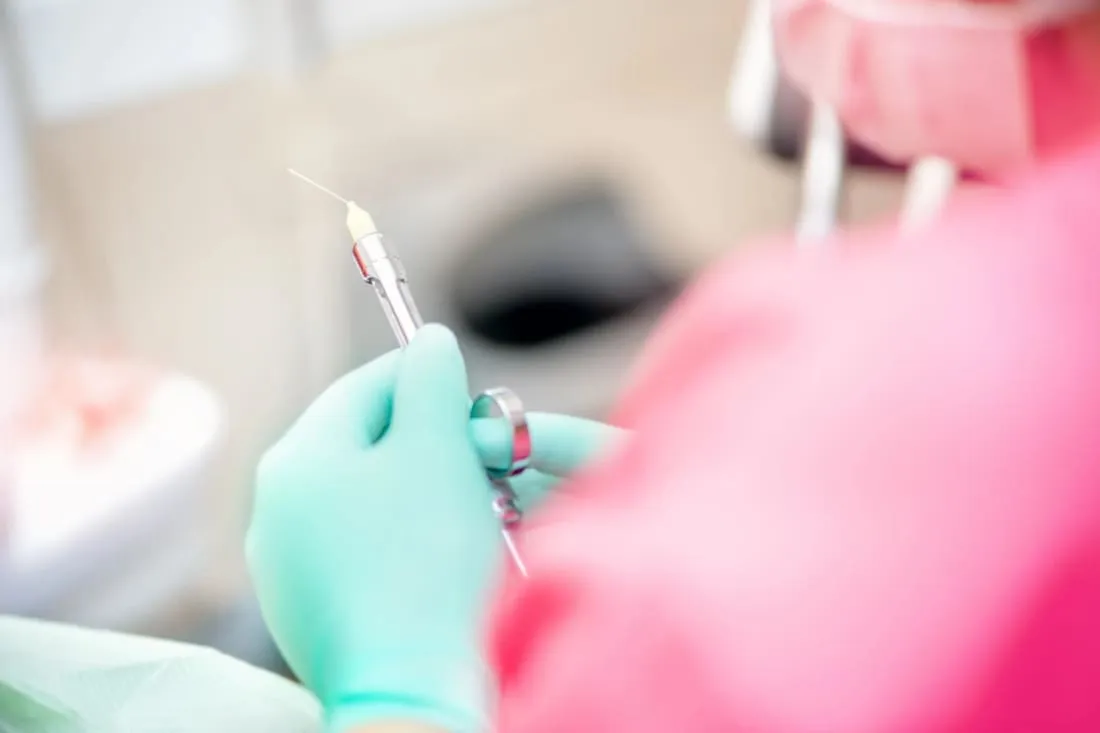
Duration varies by procedure and by where the tooth sits in your mouth.
-
Upper teeth fillings: about 1 to 2 hours of numbness.
-
Lower teeth: about 3 to 4 hours, because the denser jawbone calls for a different technique.
-
Complex procedures such as wisdom tooth removal or root canals: 4 to 5 hours or longer.
Why the timing varies from person to person
Two people can have the same filling and feel numb for different lengths of time, because your own body influences how quickly the anesthetic clears.
-
Metabolism. A faster metabolism tends to process and clear the anesthetic more quickly, so the numbness fades sooner.
-
Blood flow. Better circulation around the treated area carries the anesthetic away faster, which shortens the numb period.
-
Body temperature. Your temperature plays a part in how the anesthetic disperses over time.
-
Stress levels. Feeling tense or stressed can influence how your body responds and how long the freezing seems to last.
-
Age. Children typically regain sensation faster than adults.
Because all of these vary, the time ranges above are a guide rather than an exact promise. The location of the tooth and the type of procedure remain the biggest factors, but your own physiology fine-tunes the result.
Procedures that usually need freezing
Local anesthetic is used for a wide range of treatments to keep you comfortable, including:
-
Cavity treatment
-
Root canals
-
Tooth extraction
-
Crown and bridge placement
-
Deep cleanings below the gum line
Staying safe while you’re numb

A few simple precautions help you avoid accidental injury before sensation returns.
-
You can drive after a routine local anesthetic.
-
Avoid solid foods and hot beverages while you’re numb, so you don’t accidentally bite your cheek or tongue or burn yourself.
-
Be patient with chewing. Wait until full feeling returns before eating normally, especially on the side that was treated.
If numbness persists beyond about 8 hours for routine work, or 12 hours for complex procedures, contact your dentist so they can make sure everything is healing as expected.
Helping sensation return
You don’t need to do anything special to recover, but a couple of small steps can help.
-
Light movement and gentle massage increase blood circulation around the area, which can help the numbness fade a little sooner.
-
Skip the gimmicks. Caffeine and supplements provide no real benefit, so there’s no need to reach for them.
Most of the time, the freezing simply wears off on its own within the expected window. Knowing roughly how long to expect numbness — and steering clear of hot drinks and solid food until it fades — makes the few hours after a dental visit much easier to plan around. If your numbness lasts well beyond the typical range, a quick call to your dentist is the right next step.
Frequently asked
How long does dental freezing usually last?
It depends on the tooth and the procedure. Numbness in the upper teeth typically lasts 1 to 2 hours, the lower teeth 3 to 4 hours because the jawbone is denser, and complex procedures such as wisdom tooth removal or root canals 4 to 5 hours or longer.
Can I drive after getting dental freezing?
Yes. You can safely drive after a routine local anesthetic. Just avoid eating solid food or drinking hot beverages while you're still numb so you don't accidentally bite or burn yourself.
Can I make the numbness wear off faster?
Light movement and gentle massage increase blood circulation, which can help sensation return a little sooner. Caffeine and supplements provide no real benefit.
When should I call the dentist about lasting numbness?
Contact your dentist if numbness persists beyond about 8 hours for routine work or 12 hours for complex procedures, so they can check that everything is healing as expected.

Dr. Brian Hu, BSc · DMD

Have a question about your smile?
Book a visit and we'll give you clear, honest answers — and written pricing before anything begins.