
Sedation dentistry in Langley.
Sedation dentistry helps patients feel calmer and more comfortable during treatment. At Creekside Dental, we take a careful, patient-specific approach — focusing on safety, clear communication, and gentle care for anyone who finds dental visits stressful.
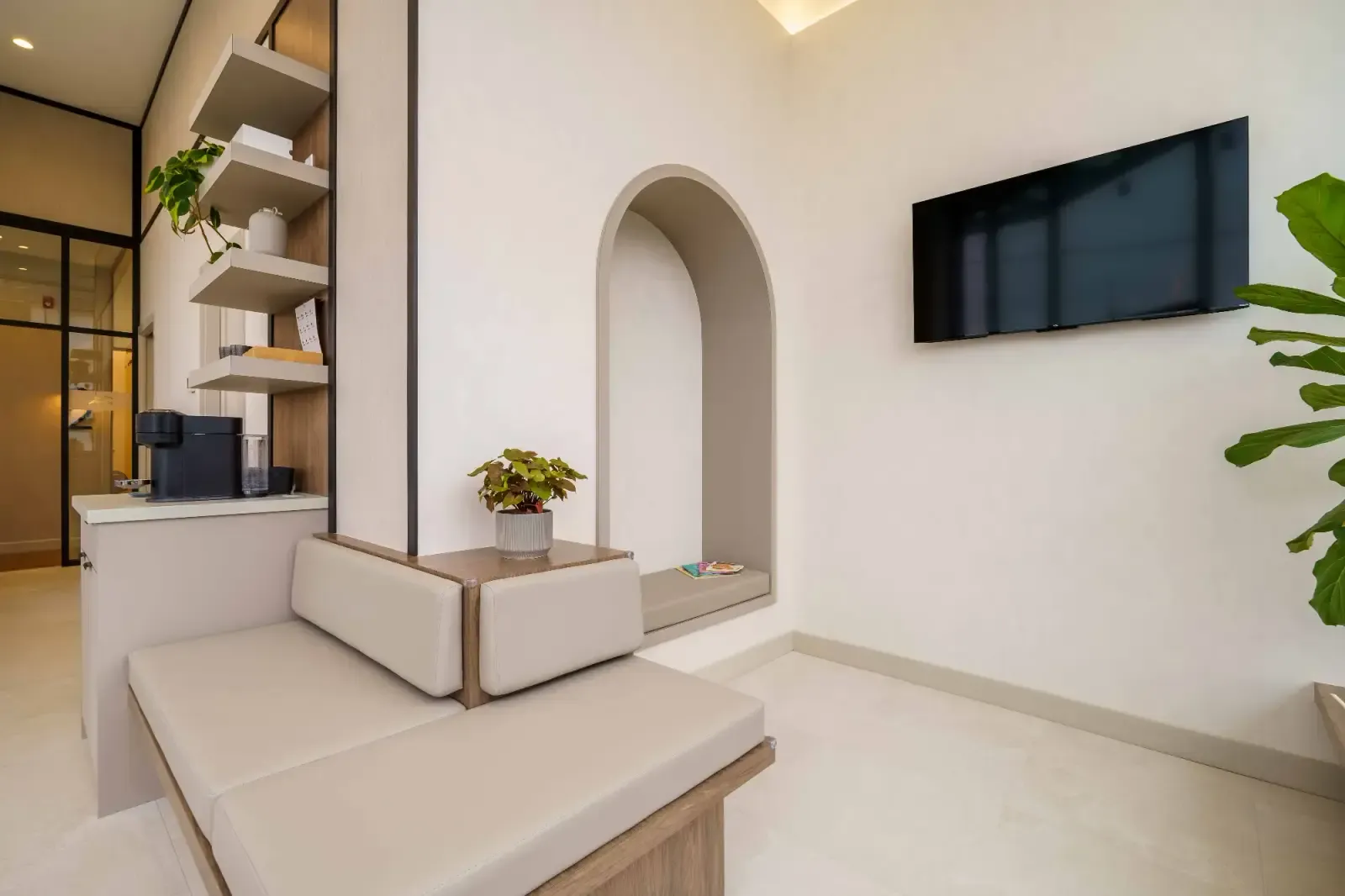
Comfort-focused care, at your pace.
Dental anxiety is common, and it can make even routine care feel overwhelming. Sedation may be recommended to support your comfort when anxiety, sensitivity, or past experiences get in the way of necessary treatment. We take the time to understand your concerns and talk through whether sedation is right for your situation.
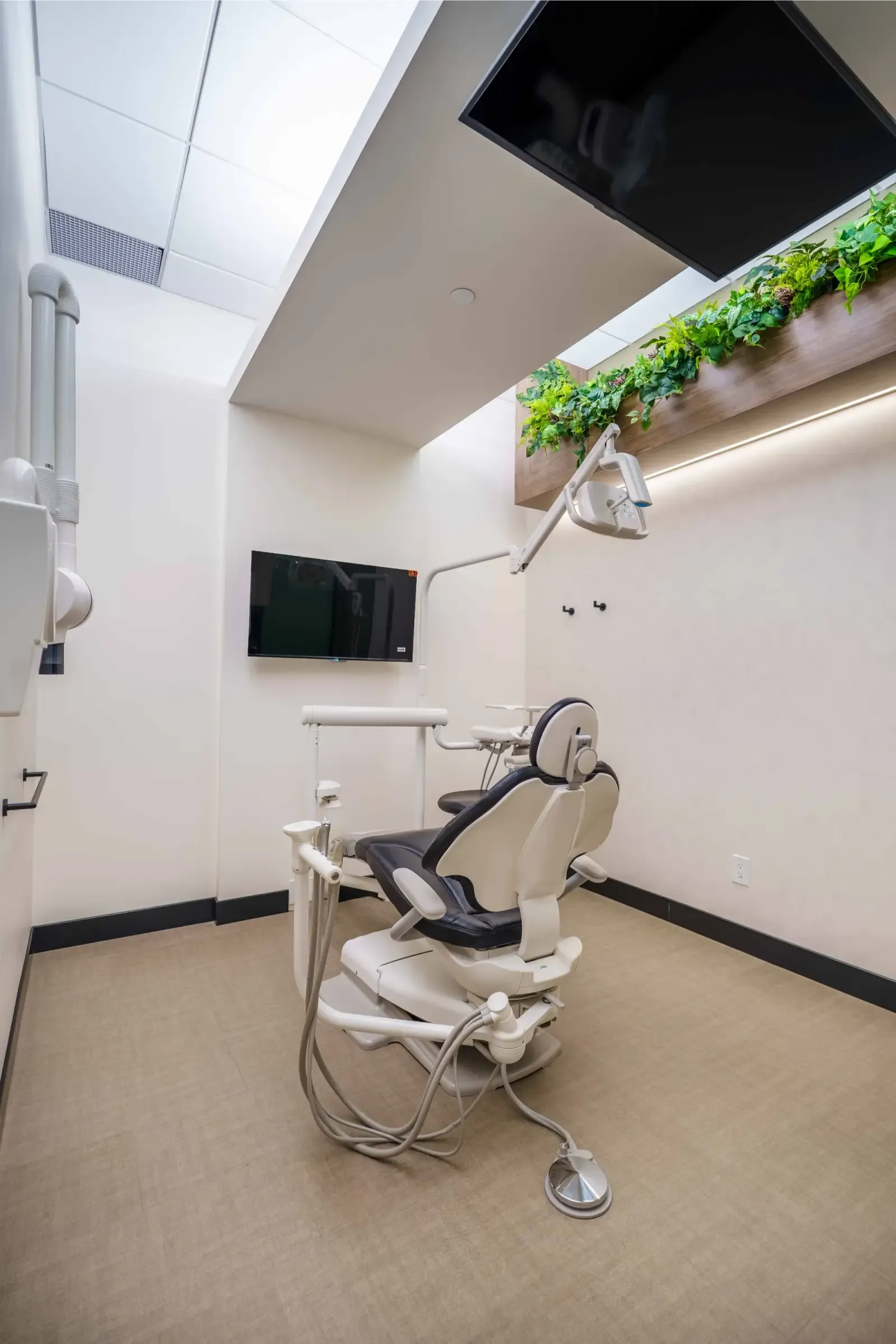
What sedation dentistry involves.
Sedation dentistry uses carefully selected medication to help you relax during a procedure. How deeply you relax depends on the method used and your individual needs, so the approach is matched to you rather than applied the same way to everyone.
Sedation doesn't replace local anaesthesia — the area being treated is still fully numbed. Instead, it works alongside it to ease anxiety and make the whole visit feel more manageable and comfortable.
When sedation may be considered.
Sedation isn't needed for every visit, but it can help if you:
Moderate to severe anxiety
Dental anxiety that makes routine care feel overwhelming or hard to keep up with.
Longer appointments
Difficulty sitting comfortably for the time a more involved visit takes.
A strong gag reflex
A sensitive gag reflex that can make some treatments uncomfortable.
More involved procedures
Treatment that is longer or more complex than a routine visit.
Past difficult experiences
Previous traumatic or stressful dental experiences that make new care feel daunting.
Whether sedation is appropriate is a decision we make together, after reviewing your medical history. If your symptoms feel urgent rather than routine, our emergency dentistry page explains when to seek prompt care.
How we plan sedation, step by step.
When sedation is recommended, here's what the process looks like:
Consultation
We review your dental concerns, anxiety levels, and full medical history together.
Care planning
We discuss whether sedation is suitable for you and walk through your treatment options.
Preparation
If sedation is planned, you receive clear instructions on how to prepare beforehand.
Monitoring
Your comfort and safety are watched closely throughout the appointment.
Recovery guidance
You leave with post-appointment instructions tailored to the care you received.
Options, safety, and aftercare.
Options and availability
The right level of sedation depends on the treatment and on you. We'll discuss the suitable options during your consultation and explain what each one involves, so you can make an informed choice before anything is planned.
Safety and medical considerations
Your medical history, current medications, and overall health all factor into whether sedation is appropriate. We review these carefully and monitor your comfort and safety closely throughout the appointment.
Aftercare and recovery
With oral sedation, the effects can take a few hours to wear off. You'll receive aftercare instructions, and we recommend arranging a ride home and taking it easy for the rest of the day.
Your sedation questions, answered.
Will my insurance cover sedation dentistry?
Coverage for sedation dentistry varies by plan. It's best to check with your insurance provider to understand your benefits and any potential out-of-pocket costs before treatment.
Can I eat before my appointment?
Your dentist will give you specific instructions about eating beforehand, especially with oral sedation. As a general guide, you'll usually be asked to avoid solid food for a few hours prior.
How long does the sedation last?
With oral sedation, the effects can take a few hours to fully wear off, so we recommend arranging a ride home and planning to rest for the remainder of the day.
Does sedation replace freezing for the procedure?
No. Sedation helps you feel calmer and more comfortable, but it doesn't replace local anaesthesia. The area being treated is still numbed so the procedure itself is comfortable.
Is sedation dentistry safe?
When it suits your health and is properly planned, sedation is a well-established part of dental care. We review your medical history first, choose an appropriate approach, and monitor your comfort and safety throughout the appointment.

Dr. Brian Hu, BSc · DMD


Discuss your options — book a consultation.
A consultation is the first step. We'll talk through your concerns, review your medical history, and answer any questions before treatment is planned. Book online, or call us.