
Dental fillings in Langley.
Cavities are common, but untreated decay can quickly lead to pain, infection, and more complex work. At Creekside Dental, we place fillings designed to restore strength, comfort, and function while preserving as much of your natural tooth as possible — stopping decay early and keeping your teeth healthy for the long term.
What dental fillings are designed to fix.
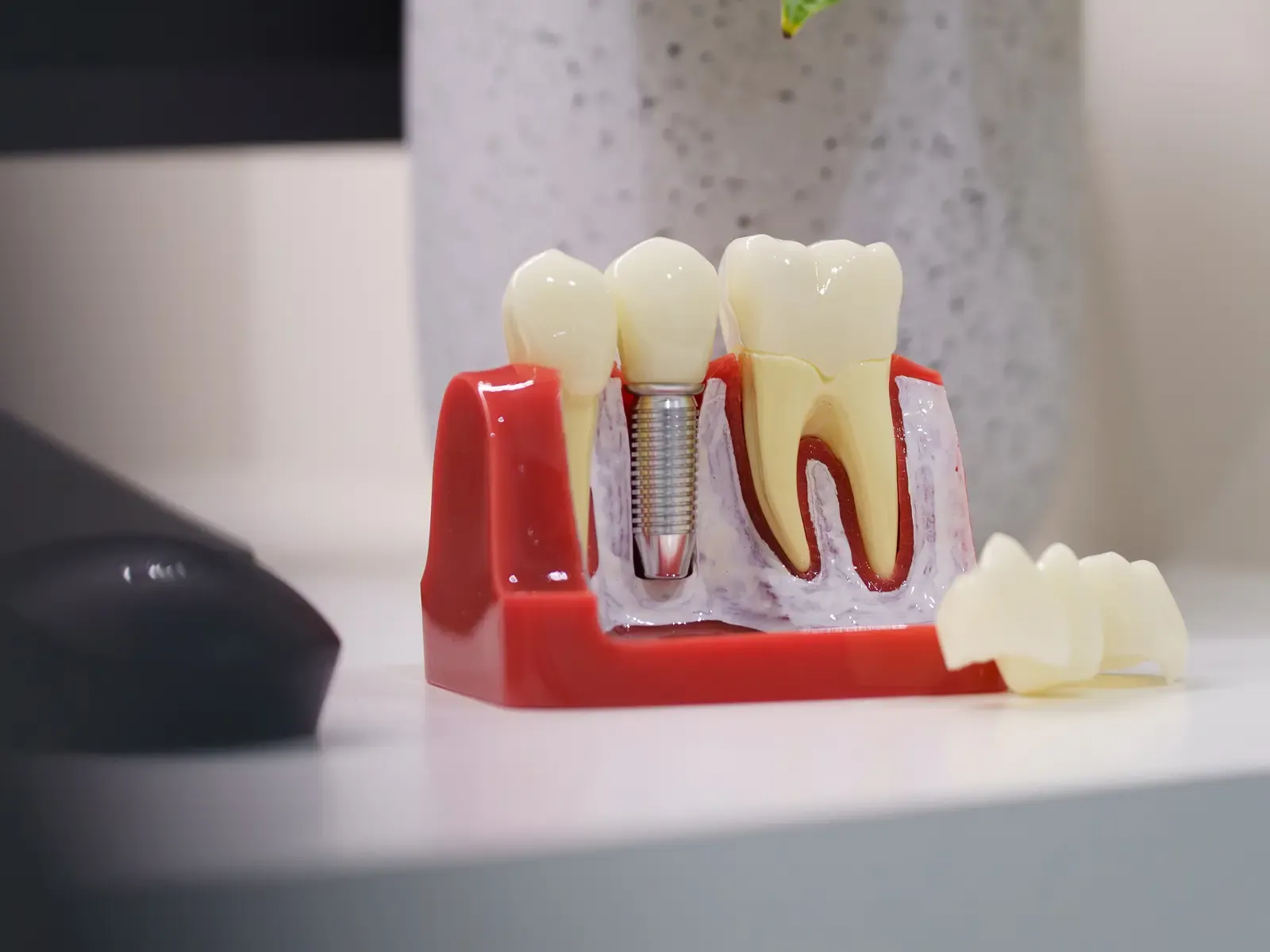
Dental fillings repair teeth affected by decay, minor fractures, or wear. After compromised tooth structure is removed, the space is sealed with a restorative material that restores shape, strength, and function — protecting the tooth from further damage and letting you chew and speak comfortably again.
Our approach is centred on precision, comfort, and long-term oral health. We take time to assess the extent of decay, explain your options clearly, and recommend treatment that fits your needs rather than pushing unnecessary work.
Material options we offer.
Different situations call for different materials. We'll recommend the one best suited to the tooth, its location, and your needs.
Composite fillings
Designed to blend naturally with your surrounding teeth. Commonly used for visible areas, they give a strong, natural-looking result.
Amalgam fillings
Known for durability, and often used in molars where biting forces are highest. A reliable option for certain restorative needs.
Glass ionomer fillings
Sometimes used for children or specific clinical situations. They release fluoride to help protect against future decay.
Signs you may need a filling.
Early decay does not always cause pain, which is why regular exams matter. Common signs include:
Sensitivity to hot, cold, or sweet
Twinges when eating or drinking can be an early sign of decay reaching the inner tooth.
Discomfort when chewing
Pain or pressure on a specific tooth while chewing may point to a cavity.
Dark spots or pits
Visible dark areas, pits, or holes on the tooth surface can indicate decay that needs treatment.
Addressing these signs early often allows for simpler treatment and helps avoid more invasive procedures later. If decay has already reached the inner tooth, a root canal may be needed instead of a filling.
What treatment involves.
Evaluation
The affected tooth and surrounding structures are examined to confirm the extent of decay.
Comfortable numbing
The area is fully numbed so the procedure stays comfortable from start to finish.
Removing decay
Decayed tissue is removed with precise techniques, preserving as much healthy tooth as possible.
Filling & polishing
The material is placed, shaped, and polished to restore a natural bite — usually in a single visit.
Caring for a filled tooth.
Caring for a filled tooth is similar to caring for any natural tooth. Daily brushing and flossing, along with regular check-ups, help extend the life of your filling. Avoiding habits like chewing ice or hard objects also reduces unnecessary stress on restored teeth.
Preserving your natural teeth wherever possible is a core part of our philosophy. We use high-quality materials, modern techniques, and a conservative approach, with a focus on long-term outcomes rather than quick fixes.
Your filling questions, answered.
How long does a filling take?
A dental filling generally takes about 30 to 60 minutes, depending on the extent of the decay and the type of filling used. Your dentist will give you a more accurate estimate based on your specific situation.
Does getting a filling hurt?
Most patients report minimal discomfort, especially with local anaesthesia. You may feel slight pressure during the procedure, but pain is usually not a concern. Some sensitivity afterward is common and typically resolves quickly.
How long does a filling take to heal?
It may take a few hours for the anaesthesia to wear off. You might notice some sensitivity in the filled tooth for a few days, but this should subside. If you experience prolonged pain or discomfort, contact your dentist.
How do I know if I need a dental filling?
Signs that you may need a filling include sensitivity to hot, cold, or sweet foods, discomfort while chewing, and visible decay such as dark spots, pits, or holes. If you notice any of these, schedule an evaluation so early decay can be treated promptly.
How long do dental fillings last?
With good oral hygiene and regular check-ups, fillings can last many years. They do eventually wear or may need replacing due to heavy chewing forces or new decay. Routine exams help monitor their condition.
What should I do if my filling feels loose or causes discomfort?
If you notice unusual looseness, increased sensitivity, or discomfort around a filling, contact your dentist as soon as possible. It may need an adjustment or replacement to keep the tooth protected and functioning properly.

Dr. Brian Hu, BSc · DMD

Treat a cavity early — book a filling.
If you're experiencing sensitivity or have been told you need a filling, early care can make a big difference. Booking is simple, and we're happy to answer any questions first.