
Crowns & bridges in Langley.
Crowns and bridges restore teeth that have been weakened, damaged, or lost. At Creekside Dental, each restoration is custom designed to fit comfortably, function properly, and blend naturally with your surrounding teeth — supporting both immediate comfort and long-term stability.
What is a dental crown?
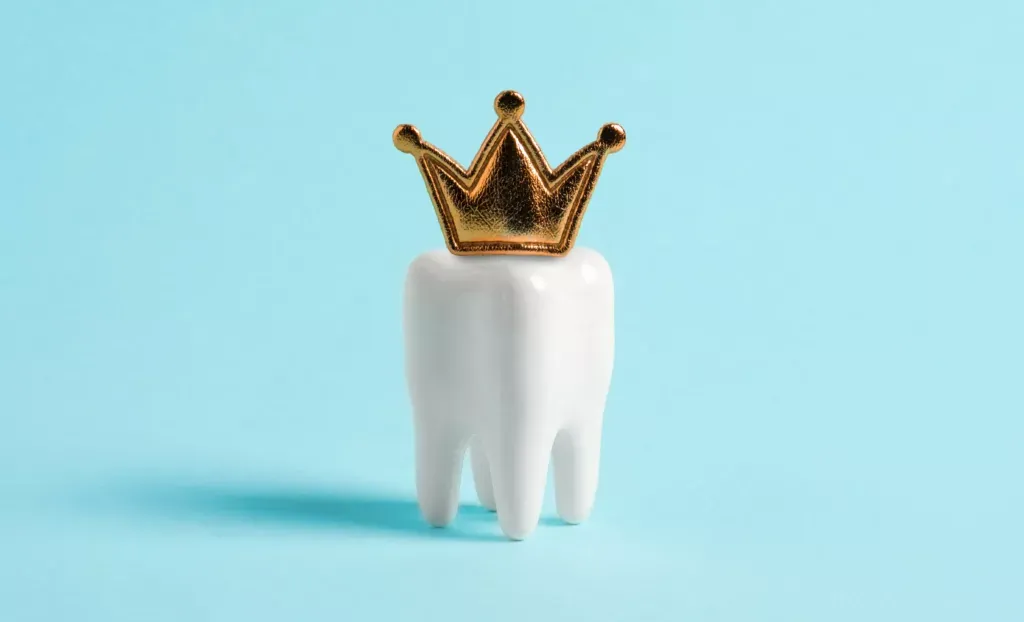
A dental crown is a custom-made restoration that covers and protects a damaged or weakened tooth. Crowns are often used after root canal treatment, to support large fillings, or to restore teeth affected by cracks, wear, or discolouration. They restore strength and appearance while blending naturally with your smile.
Crown treatment typically takes place over two visits. At the first, the tooth is prepared and an impression is taken so a custom restoration can be made, with a temporary crown protecting the tooth in the meantime. At the second, the permanent crown is carefully fitted, adjusted, and secured for a comfortable, natural result.
Filling the gap, restoring function.
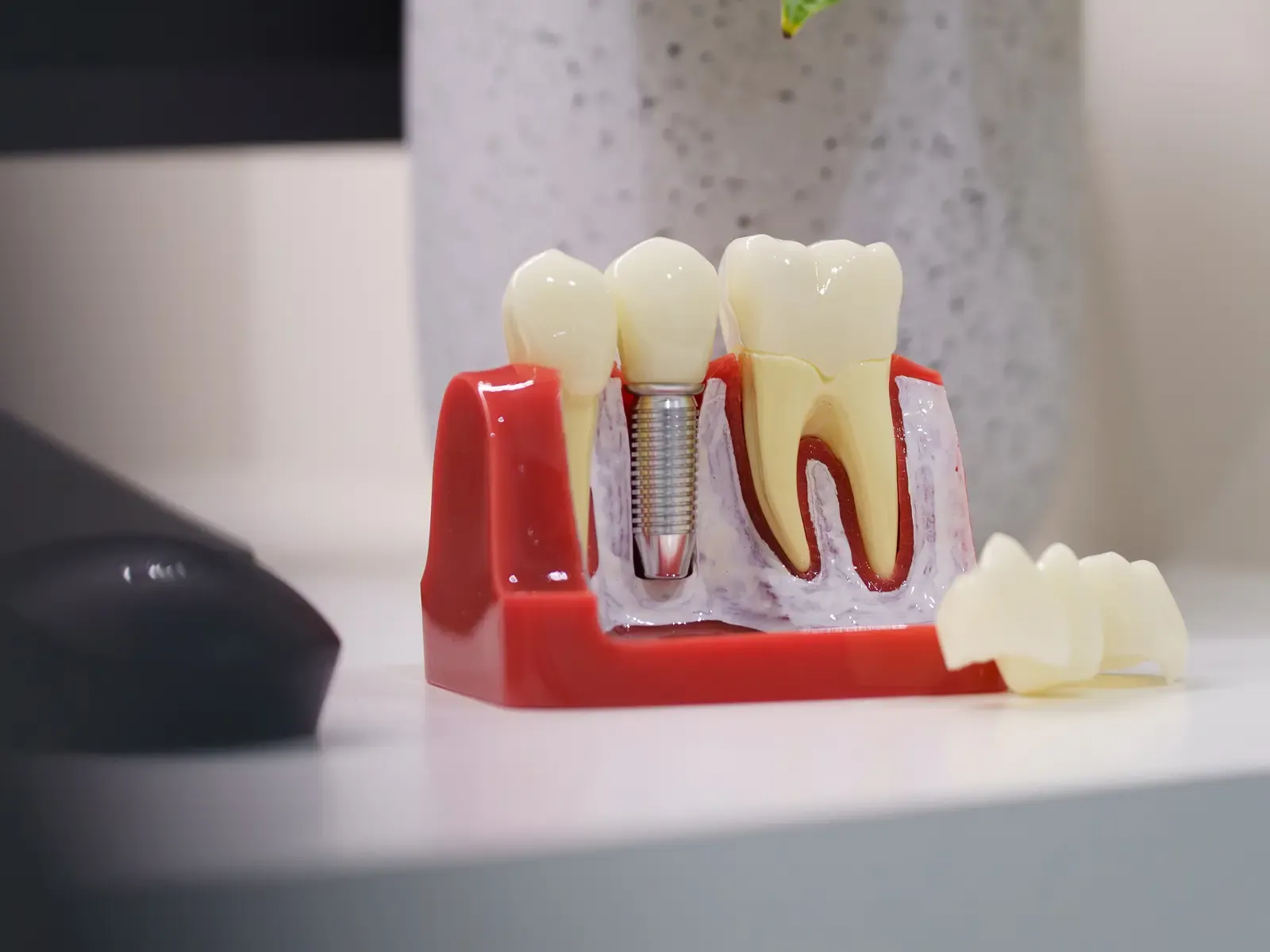
Dental bridges replace one or more missing teeth by filling the space with an artificial tooth, supported by the neighbouring teeth or restorations. A bridge helps restore chewing function, maintain proper bite alignment, and prevent the surrounding teeth from shifting out of position.
Crown or bridge — which fits?
Your dentist recommends the most appropriate option based on the condition of your teeth and your overall oral health.
Reinforce a weak tooth
A crown rebuilds and protects a tooth weakened by decay, cracks, wear, or a large filling.
Replace missing teeth
A bridge spans the gap left by one or more missing teeth, restoring chewing and your smile.
Maintain bite balance
Both keep neighbouring teeth from shifting and help hold proper spacing and alignment.
The crown process, step by step.
Preparation
The tooth is shaped and an impression is taken so a custom crown can be made to fit precisely.
Temporary crown
A temporary crown protects the tooth while your permanent restoration is crafted.
Final fitting
At the second visit, the permanent crown is fitted, adjusted, and secured for a comfortable result.
Ongoing care
Brush and floss as normal, and routine check-ups help your crown last for years.
Made to last, with simple care.
Crowns and bridges are cared for much like natural teeth. Daily brushing and flossing, along with regular dental visits, protect both the restoration and the surrounding gum tissue. Avoiding habits such as chewing ice or hard objects helps extend the life of your restorations.
Restorative care here is guided by experience and precision. Led by Dr. Brian Hu, the team uses modern techniques and high-quality materials to create restorations that feel comfortable and function naturally — with thoughtful planning and patient comfort at every stage.
Your crown & bridge questions, answered.
How long do crowns and bridges last?
With good oral hygiene — brushing twice a day, flossing, and regular check-ups — crowns and bridges can last 10 years or longer. Longevity also depends on bite pressure, diet, and habits such as teeth grinding. Routine visits help monitor and maintain these restorations.
How do I know if I need a crown or a bridge?
If you have a single damaged tooth — from decay, a crack, or a root canal — a crown is often the best solution. If you are missing one or more teeth entirely, a bridge may be recommended to span the gap. Your dentist evaluates your specific case, including the health of the surrounding teeth, to determine which option suits you.
Is the dental crown procedure painful?
Most patients feel minimal discomfort during a crown procedure. Local anaesthesia numbs the area for a comfortable experience, and oral sedation is available if you need it. Some soreness afterward is normal and usually eases with over-the-counter pain medication.
Can I replace a bridge with a dental implant later on?
In many cases, yes. With sufficient bone density and healthy gums, you can transition from a bridge to an implant. This may require additional steps, such as a bone graft, if there has been significant bone loss in the area. Your dentist can advise on the feasibility and timeline.
What's the difference between a dental bridge and an implant?
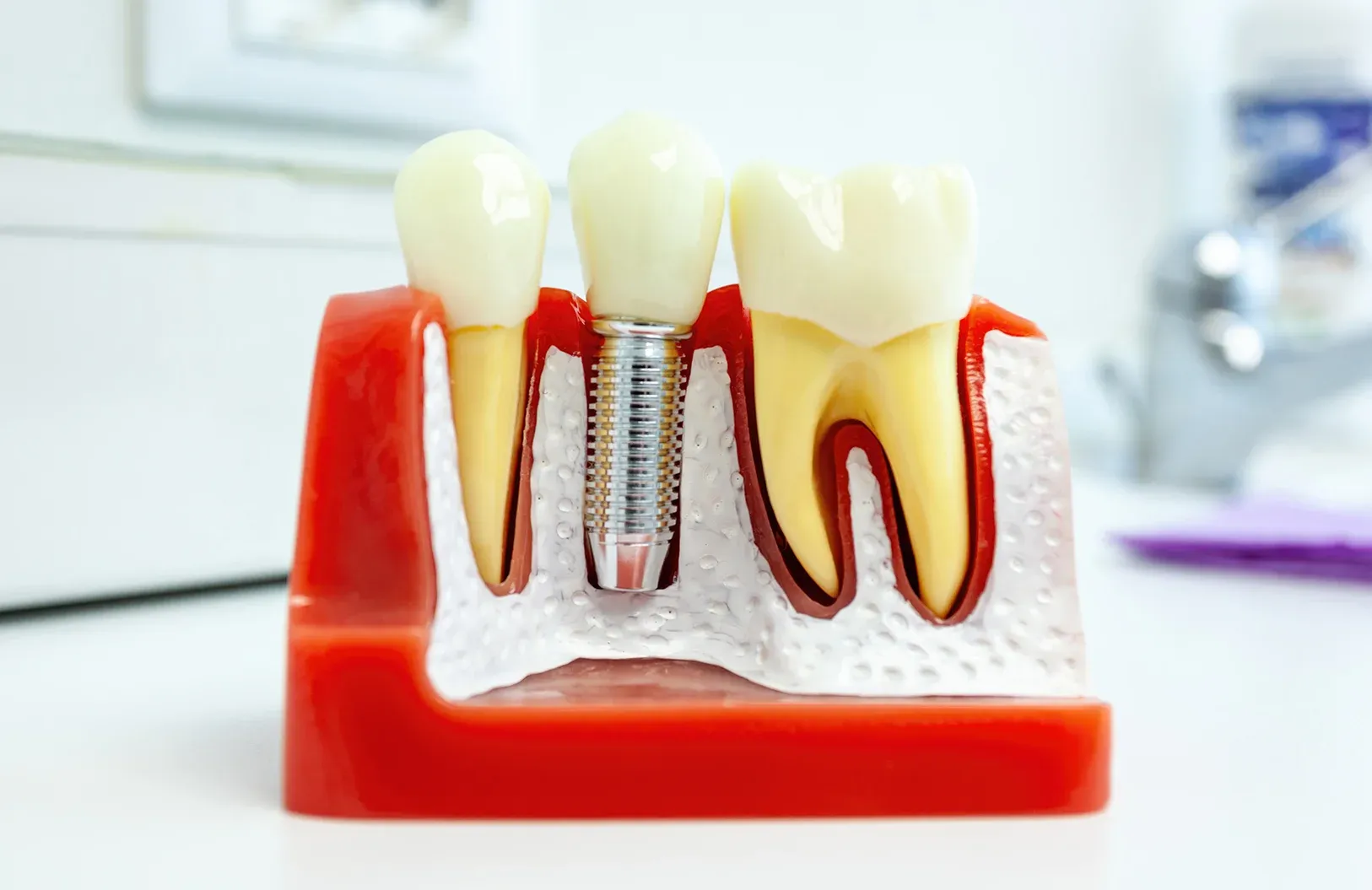
A bridge replaces a missing tooth using the neighbouring teeth for support, while an implant places a titanium post in the jawbone to support a replacement tooth on its own. The right choice depends on factors such as the condition of your jawbone and your preferences, which your dentist will review with you.
Will my dental insurance cover crowns and bridges?
Many dental plans cover a portion of the cost for crowns and bridges, but coverage varies. It is best to check the specifics of your plan with your insurance provider, and our team is happy to help you understand your estimate.

Dr. Brian Hu, BSc · DMD
Restore your smile with a crown or bridge.
We'll assess the tooth, explain your options clearly, and plan a restoration that fits and lasts. Book online, or contact us with any questions.