
Root canal treatment in Langley.
At Creekside Dental Langley, we provide root canal treatment with a focus on comfort, precision, and long-term oral health. Our goal is to relieve pain, treat infection at its source, and help you keep your natural tooth whenever possible.

An experienced team, a calmer visit.
Using modern diagnostic tools and a patient-first approach, our team works to make a procedure many people worry about feel far more manageable than expected. We focus on clear communication, careful treatment, and outcomes that support your long-term oral health.
What a root canal treats.
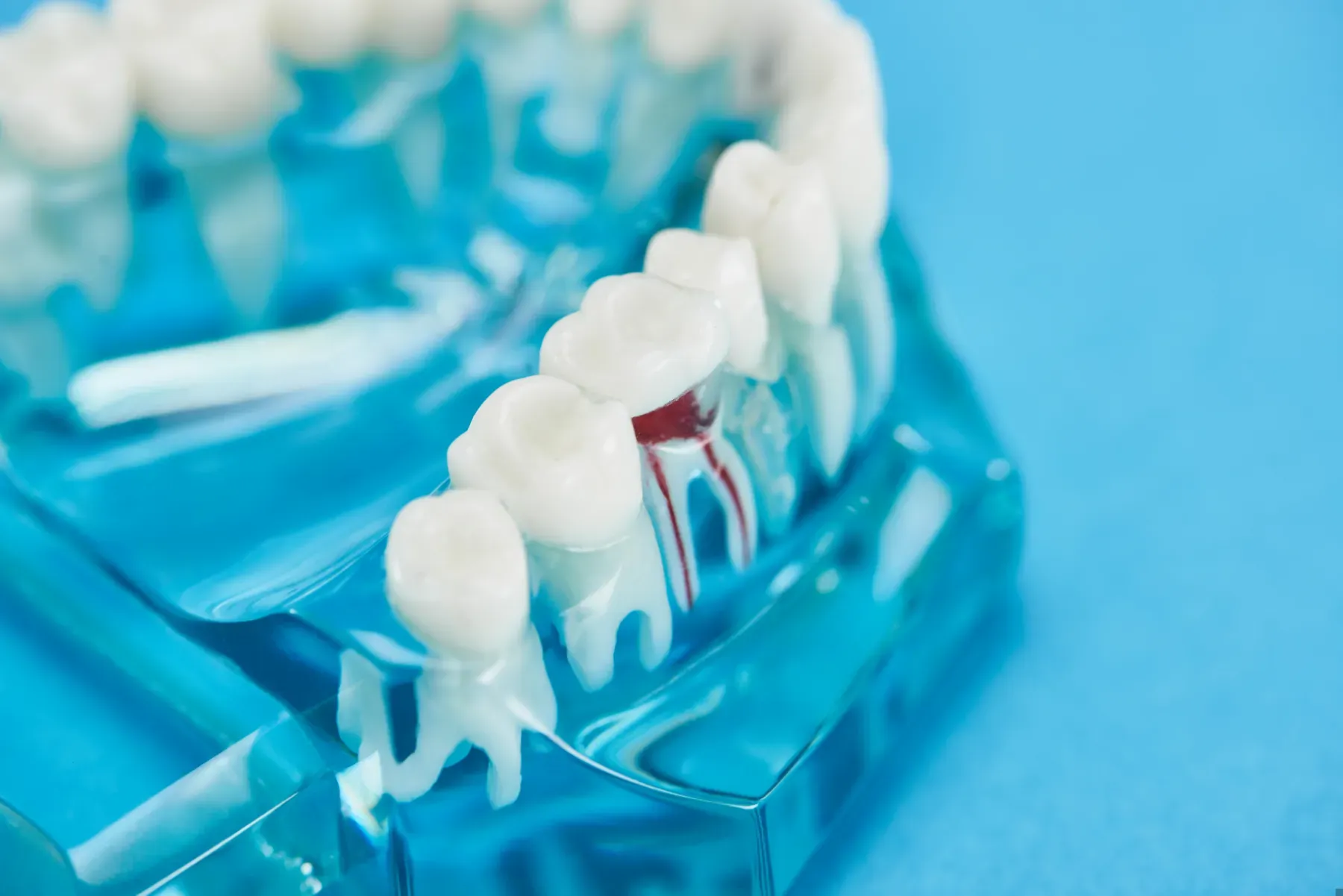
A root canal addresses infection or inflammation inside the tooth, where the pulp holds the nerves and blood vessels. Deep decay, cracks, or trauma can let bacteria reach this inner area — leading to pain, swelling, and potential tooth loss if it's left untreated.
Treatment involves removing the infected tissue, cleaning and disinfecting the canal, and sealing the tooth to prevent future problems. That lets the tooth keep functioning normally, without the ongoing discomfort.
Signs you may need a root canal.
Recognising these signs early helps you get timely treatment and avoid further complications:
Severe tooth pain
Intense, persistent pain — especially when chewing or under pressure — can signal infection in the pulp.
Sensitivity to hot or cold
Sensitivity that lingers after the hot or cold is gone may point to nerve damage or infection.
Swelling & tenderness
Swelling in the gums or face near a tooth, along with tenderness, can be a sign of infection.
Tooth discolouration
A darkening tooth may mean the pulp is dying or has already died.
Recurring gum issues
Repeated gum infections, or a pimple-like bump on the gums, can point to a problem in the tooth's pulp.
Tooth mobility
A tooth that feels loose or shifts may signal severe infection or damage that needs prompt attention.
Early treatment can save your tooth and ease the pain — though your dentist makes the final call on diagnosis and the right course of care. Severe pain or infection sometimes needs urgent attention; if you're not sure whether your symptoms are an emergency, our emergency dentistry page explains when to seek immediate care.
What the procedure involves.
During your appointment, you can expect:
Assessment & comfort
Your tooth is examined to confirm the diagnosis. The area is fully numbed and the tooth isolated to keep things clean and controlled.
Removing the infection
Infected tissue is carefully removed, the canal is disinfected, and medication may be placed to clear any remaining bacteria.
Sealing & protection
Depending on the tooth, it may be sealed the same day or temporarily protected before the final restoration.
Restoring strength
Once healing is complete, a crown is often recommended to restore strength, function, and appearance.
Clear options, at your pace.
Dental emergencies and bigger treatments can feel overwhelming. Our team, led by Dr. Brian Hu, takes the time to explain what we find, walk through every option, and move at a pace that keeps you comfortable.
Patients choose Creekside for straight recommendations, modern technology, and a calm environment. Flexible scheduling and direct billing help make care easier when timing matters.
Your root canal questions, answered.
What is a root canal treatment?
A root canal treatment removes infected pulp from inside the tooth to relieve pain and prevent further damage. It lets you keep your natural tooth while clearing the infection at its source.
How do I know if I need a root canal?
Common signs include prolonged tooth pain, lingering sensitivity to hot or cold, and swelling near a tooth. A thorough exam is the only way to be sure — we'll confirm the diagnosis before recommending treatment.
What should I expect during a root canal procedure?
You receive a local anaesthetic to numb the area, and a rubber dam is placed to isolate the tooth. The infected pulp is removed, the canal is cleaned and disinfected, and the tooth is sealed.
Is a root canal painful?
Most patients feel minimal discomfort during a root canal, thanks to effective local anaesthesia and modern techniques. Clearing the infection usually eases the pain that brought you in.
What are the risks of delaying a root canal?
Putting it off can lead to worsening pain, a spreading infection, and even tooth loss. Treating it early gives the best chance of saving your natural tooth.
How do I care for my tooth after a root canal?
Keep up good oral hygiene and follow your post-treatment instructions. A crown is often recommended to protect the tooth, and regular check-ups help keep it healthy.

Dr. Brian Hu, BSc · DMD

Save your tooth — book a root canal consult.
We'll confirm the diagnosis, talk through your options, and get you out of pain. Book online, or call and we'll find you the earliest time.