
Oral cancer screening in Langley.
Early detection plays a critical role in successful outcomes. At Creekside Dental, oral cancer screening is a routine part of preventive care — a quick check of the lips, tongue, gums, cheeks, and throat designed to identify changes early.
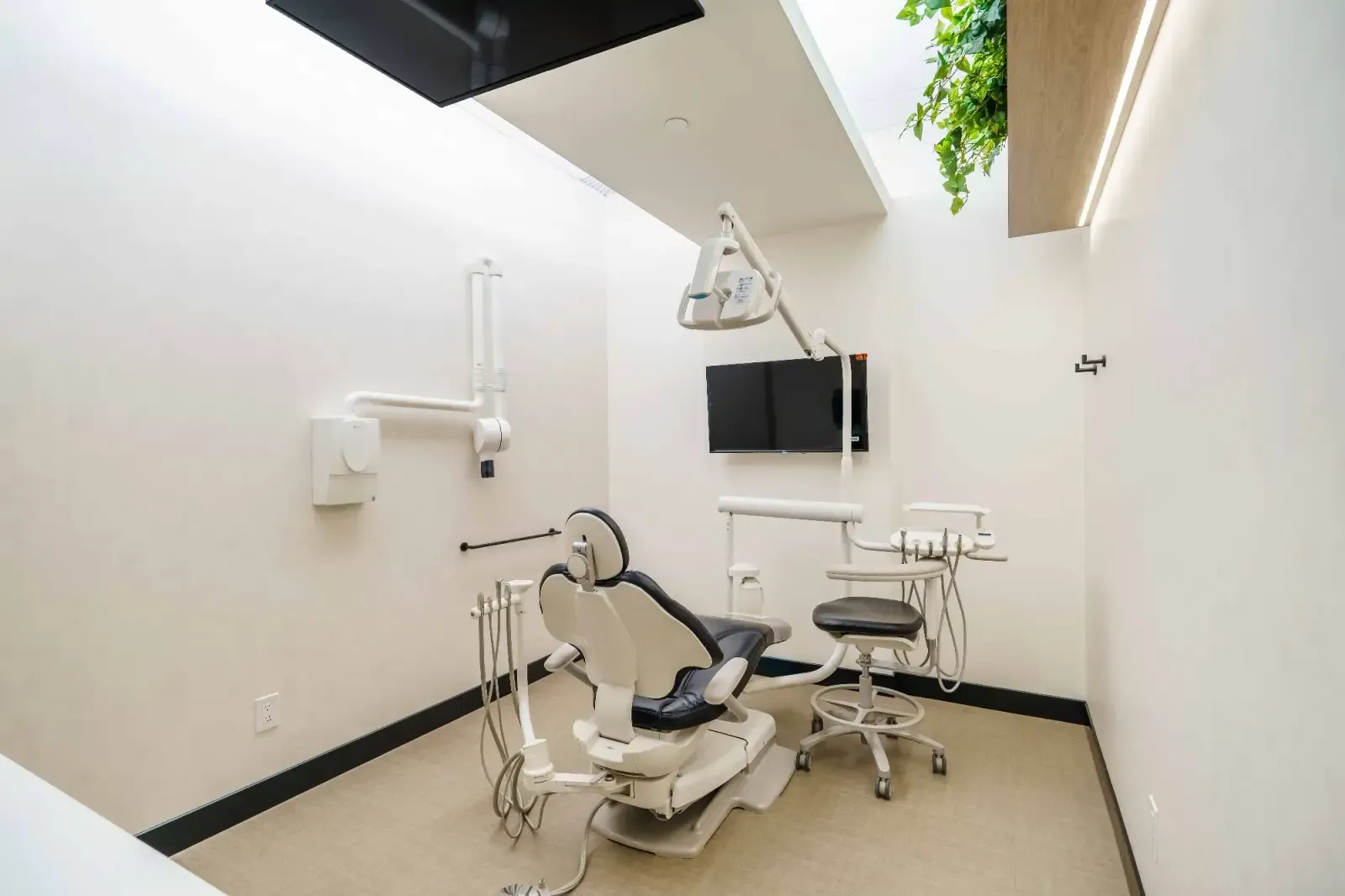
A quick, non-invasive check.
A screening is a visual and tactile examination of the soft tissues of your mouth and the surrounding areas. Your provider looks for irregular tissue, sores, discolouration, or unusual growths — and gently feels for lumps or thickening in the neck and jaw.
Oral cancer often develops without obvious symptoms in its earliest stages, which is why folding this check into regular visits matters: it can catch abnormal or precancerous tissue before you would notice it on your own.
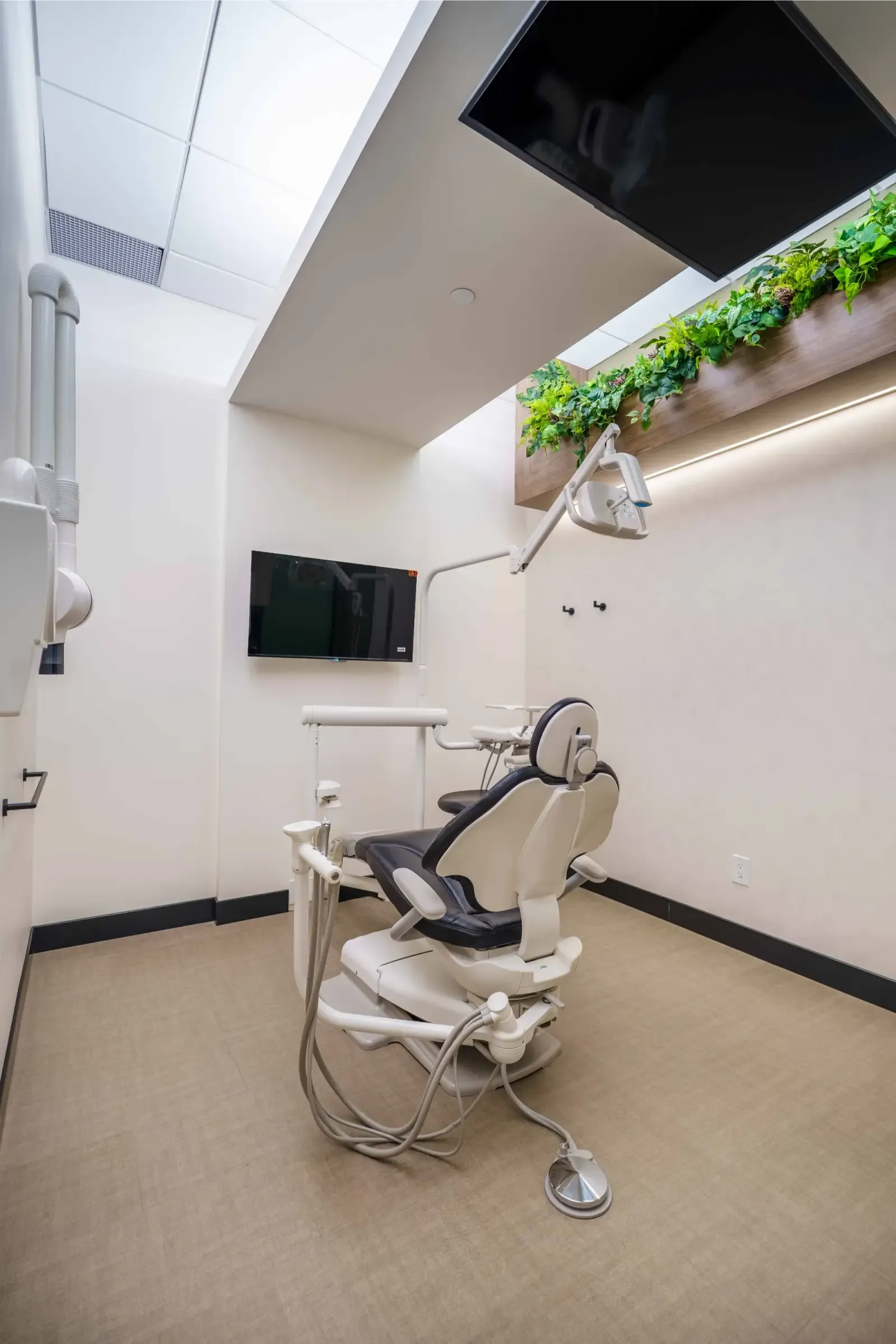
Why routine screening matters.
Early identification significantly improves treatment success rates. By the time oral cancer causes noticeable symptoms, it is often more advanced and harder to treat — so the goal is to spot suspicious changes well before that point.
Because the check takes only a few minutes and adds nothing uncomfortable to your visit, it is an easy, low-effort layer of protection that fits naturally into the care you are already receiving.
Symptoms that should be checked promptly.
If you notice any of these, don't wait for your next routine visit — have them looked at:
Sores that linger
Sores or ulcers that have not healed within about two weeks.
Red or white patches
Unusual red or white patches inside the mouth.
Pain or bleeding
Persistent pain, tenderness, or unexplained bleeding.
Trouble swallowing
Difficulty chewing, swallowing, or moving the tongue.
Lumps or thickening
Lumps or thickened areas in the neck, cheeks, or throat.
Numbness or changes
New numbness or persistent changes in the soft tissues of the mouth.
A symptom on this list does not mean you have cancer — most turn out to be harmless — but having them evaluated promptly is the safest approach, and your dentist makes the final call on any diagnosis.
Prevention you can act on.
Alongside regular screenings, a few habits help lower your overall risk:
Avoid tobacco
Steer clear of smoking and chewing tobacco, which are major risk factors.
Limit alcohol
Keep alcohol consumption moderate, especially combined with tobacco.
Keep up oral care
Maintain regular brushing, flossing, and dental visits.
Eat well & protect lips
Eat a balanced diet rich in fruits and vegetables, and use an SPF lip balm outdoors.
Clear answers, no alarm.
Screening is built into routine visits, with experienced oversight from Dr. Brian Hu. We focus on clear communication — explaining what we are looking for and what we find, without unnecessary alarm.
The screening itself is painless and typically takes only a few minutes, so there is no reason to put it off. If anything needs a closer look, we'll walk you through the next steps.
Your oral cancer screening questions, answered.
Is there anything I can do at home to check for signs of oral cancer?
Self-exams don't replace a professional screening, but you can periodically check your mouth for red or white patches, persistent sores, lumps, or unexplained bleeding. If something feels off, contact a dental professional for an evaluation.
Can screening detect precancerous conditions too?
Yes. Screening often identifies precancerous lesions or suspicious changes that could turn into cancer if left untreated. Detecting these early can significantly improve treatment outcomes.
How often should I get an oral cancer screening?
Most people benefit from a screening at least once a year, usually during a routine checkup. If you have higher risk factors — such as tobacco use, heavy alcohol consumption, or a family history of cancer — more frequent screenings may be recommended.
Can a dental hygienist perform an oral cancer screening?
Yes. A dental hygienist can perform an initial screening during routine visits. They are trained to recognise the signs of oral cancer and will refer you to a dentist for further evaluation if anything looks concerning.
Are oral cancer screenings painful?
No — screenings are quick and painless. Your dental professional performs a visual examination and may gently feel areas of the mouth and neck to check for abnormalities.
Who should get an oral cancer screening?
Everyone can benefit from regular screenings, especially adults over 40 or those with risk factors such as tobacco use, heavy alcohol consumption, or a history of HPV. Your dental team can recommend a schedule based on your needs.

Dr. Brian Hu, BSc · DMD

Book an oral cancer screening.
Add a quick, painless screening to your next visit. Book online, or call and we'll fit it into your routine checkup.