
Why are my teeth suddenly sensitive?


- Sudden sensitivity usually has a clear cause, from enamel wear and gum recession to recent whitening or a small crack.
- Desensitizing toothpaste, a soft-bristled brush, and avoiding very hot or cold foods can ease discomfort short term.
- Sensitivity with swelling, fever, or sleep-disrupting pain may signal infection and needs prompt dental care.
Sudden tooth sensitivity almost always has a clear, treatable cause, most often enamel wear, gum recession, a recent whitening treatment, or a small crack. Desensitizing toothpaste and gentle brushing can ease the discomfort in the short term, but pain that lingers should be checked by a dentist so a smaller issue doesn’t turn into a larger one.
What tooth sensitivity feels like
Tooth sensitivity usually shows up as a sharp, quick pain when your teeth meet something hot, cold, sweet, or acidic. It tends to last only a few seconds after the trigger is gone, unlike a cavity, which often produces pain that lingers. Many people describe it as a sudden zing or electric-shock sensation that reaches the nerve.
Triggers include hot drinks, cold foods, sweets, or even cold air hitting your teeth when you breathe through your mouth. It can feel alarming when it seems to appear out of nowhere, but sensitivity doesn’t always mean serious damage. Some people only notice it while brushing or flossing certain spots.
Common causes of sudden sensitivity
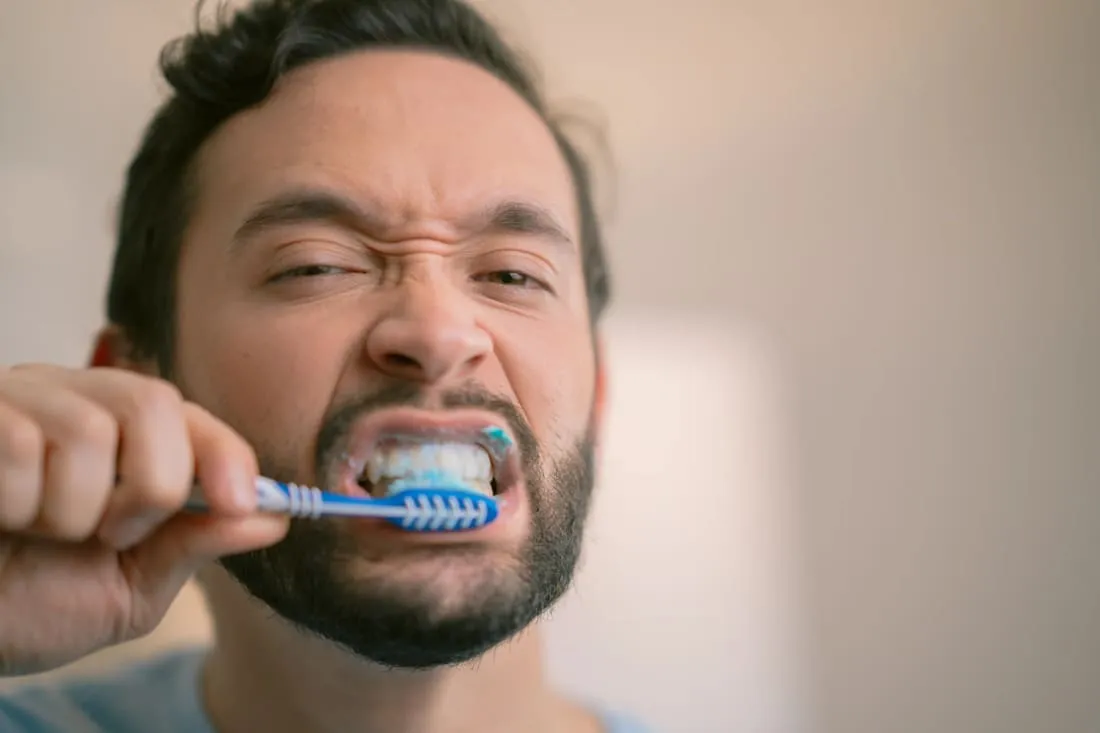
Several everyday factors can make teeth feel sensitive almost overnight:
-
Recent whitening. Bleaching can temporarily open pores in the enamel, causing short-term sensitivity.
-
Overbrushing. A hard-bristled toothbrush or aggressive scrubbing can wear down enamel and irritate gums, exposing sensitive areas.
-
Cracks or chips. Even tiny ones, too small to see, can expose the inner layers of a tooth.
-
Grinding or clenching. This wears away enamel over time and increases sensitivity.
-
Receding gums. When gums pull back, they can uncover tooth roots that lack the protection of enamel.
-
Acidic diet. Frequent soda, citrus juice, or energy drinks can gradually weaken enamel, even with good brushing habits.
When sensitivity signals something more serious
Some cases need professional attention rather than home care. Cracked tooth syndrome happens when a crack extends from the surface toward the root; it may not show up on an X-ray but causes sharp pain when you bite down or release pressure, and it can deepen over time if it’s left untreated.
An abscess or infection near a tooth root can cause sensitivity alongside swelling, fever, or a bad taste in your mouth. That needs prompt care, since infections can spread. A failed filling or a loose crown can suddenly expose the inner surface of a tooth, creating intense pain with temperature changes. Advanced gum disease can also bring sensitivity, bleeding, and loosening teeth, and when decay reaches the nerve, the pain becomes more frequent and may progress to a constant throb that sometimes calls for root canal treatment.
Quick relief you can try today
While you wait for a dental appointment, a few simple steps can take the edge off:
-
Use a desensitizing toothpaste. It helps block the pathways to the nerve. For best results, apply a small amount to the affected teeth before bed and avoid rinsing right away.
-
Switch to a soft-bristled brush. Use light, circular motions instead of hard scrubbing.
-
Mind temperature extremes. Avoid very hot or cold foods and drinks, and if you need your morning coffee, sipping through a straw reduces contact with sensitive teeth.
-
Pause whitening products. Whitening toothpaste and mouthwash can heighten sensitivity during a flare-up; look for products labelled for sensitive teeth instead.
-
Rinse with warm salt water. One teaspoon of salt in a cup of warm water can reduce inflammation and calm irritation.
Is it an emergency?
Not all sensitivity is urgent, but a few symptoms point to a more serious problem. Sensitivity combined with swelling, fever, or pain that interrupts your sleep often signals an infection and needs prompt care.
If several teeth become sensitive at once, especially without an obvious cause like recent whitening, it’s worth scheduling an exam soon, since that pattern can suggest grinding, acid reflux, or another underlying issue. For ongoing sensitivity in a single tooth, or pain alongside swelling, contact a dentist’s emergency services right away.
Preventing future sensitivity
Good brushing habits go a long way toward protecting enamel. Hold your toothbrush at roughly a 45-degree angle and use gentle, circular motions. Electric toothbrushes with pressure sensors can help you avoid overbrushing without thinking about it.
Choose a soft-bristled brush and replace it every three months, or sooner if the bristles fray. If you grind your teeth, a custom mouth guard protects enamel from wear. Routine exams and cleanings catch early signs of enamel erosion or gum problems before they start causing pain. Think of these habits as long-term protection: preventing enamel wear early means fewer treatments later, and it keeps everyday things, like your morning coffee or a favourite dessert, enjoyable without a wince.
Treatment options at the dentist
When home care isn’t enough, professional treatments can address sensitivity at its source. Fluoride varnish strengthens enamel and often brings quick improvement. Bonding materials can seal exposed roots or worn enamel, creating a protective barrier. For gum recession, grafting procedures can cover exposed roots with healthy tissue.
If a worn filling or crown is the culprit, replacing it can eliminate the pain, and modern materials often offer better protection than older ones. In more severe cases involving cracks or deep decay, a crown or root canal may be needed to save the tooth and relieve the discomfort.
Frequently asked
What causes teeth to become sensitive suddenly?
Common causes include recent teeth whitening, overbrushing or a hard-bristled toothbrush wearing down enamel, small cracks or chips, grinding and clenching, receding gums that expose tooth roots, and frequent acidic drinks. In most cases the cause is easy to identify and treat.
How can I relieve sensitive teeth at home?
Use a desensitizing toothpaste (apply a little to the affected teeth before bed and don't rinse right away), switch to a soft-bristled brush with light circular strokes, avoid very hot or cold foods, and pause whitening products during flare-ups. A warm saltwater rinse can also calm irritation.
When is tooth sensitivity an emergency?
Sensitivity combined with swelling, fever, or pain that interrupts your sleep often points to an infection and needs prompt care. Sudden sensitivity in several teeth at once, or persistent pain in a single tooth, should also be examined soon.
Can a dentist fix sensitive teeth?
Yes. Depending on the cause, treatments include fluoride varnish to strengthen enamel, bonding to seal exposed roots or worn enamel, gum grafting for recession, replacing worn fillings or crowns, and crowns or root canals in more severe cases.

Dr. Brian Hu, BSc · DMD

Have a question about your smile?
Book a visit and we'll give you clear, honest answers — and written pricing before anything begins.