
Dental infection warning signs you should never ignore


- A dental infection can spread within hours, so facial swelling, high fever, or trouble swallowing or breathing with dental pain is an emergency.
- Difficulty swallowing or breathing is the most serious sign — call 911, not just your dentist.
- Secondary signs like a persistent bad taste, radiating pain, or swollen lymph nodes still warrant care within 24 hours.
A dental infection often starts as minor discomfort, but it can become serious quickly — so facial swelling, a fever above 38.3°C (101°F), or trouble swallowing or breathing alongside dental pain all need emergency care right away. Dr. Brian Hu explains that dental problems can escalate into genuine emergencies within hours.
Why dental infections can’t wait
The mouth connects directly to vital structures through blood vessels and tissue spaces. When bacteria from an infected tooth spread beyond the mouth, they can reach areas near the heart, brain, and respiratory system within hours. According to the Canadian Dental Association, untreated infections cause thousands of hospitalizations annually.
That speed is the whole reason these signs deserve attention. An infection that looks manageable in the morning can be dangerous by evening.
Immediate red flags — get emergency care now
Facial and neck swelling. Swelling that extends beyond the tooth area signals infection spreading into facial tissues. Warning signs include swelling on one side of the face, an eye partially closing, the neck extending toward the throat, or areas that feel hot to the touch.
Fever and systemic symptoms. A fever above 38.3°C (101°F) with dental pain points to a systemic infection. Early treatment helps prevent further spread.
Difficulty swallowing or breathing. This is the most serious warning sign. Throat swelling or any change in the airway is a medical emergency — call 911 immediately.
Severe pain with pus discharge. Visible pus combined with intense pain indicates an active infection that needs professional treatment promptly.
Secondary warning signs — seek care within 24 hours
-
Persistent bad taste or odour
-
Tooth pain radiating to the ear, jaw, or neck
-
Swollen lymph nodes under the jaw
-
Increasing temperature sensitivity
These are not 911 situations, but they should not be left for a week either. They often mean an infection is established and will keep advancing without treatment.
How dental infections develop and spread
Infections usually begin when bacteria penetrate a tooth through a deep cavity, a crack, or failed dental work. From there, the infection can spread through fascial planes — natural pathways between muscle layers — potentially reaching more distant areas of the head and neck.
Children and dental infections
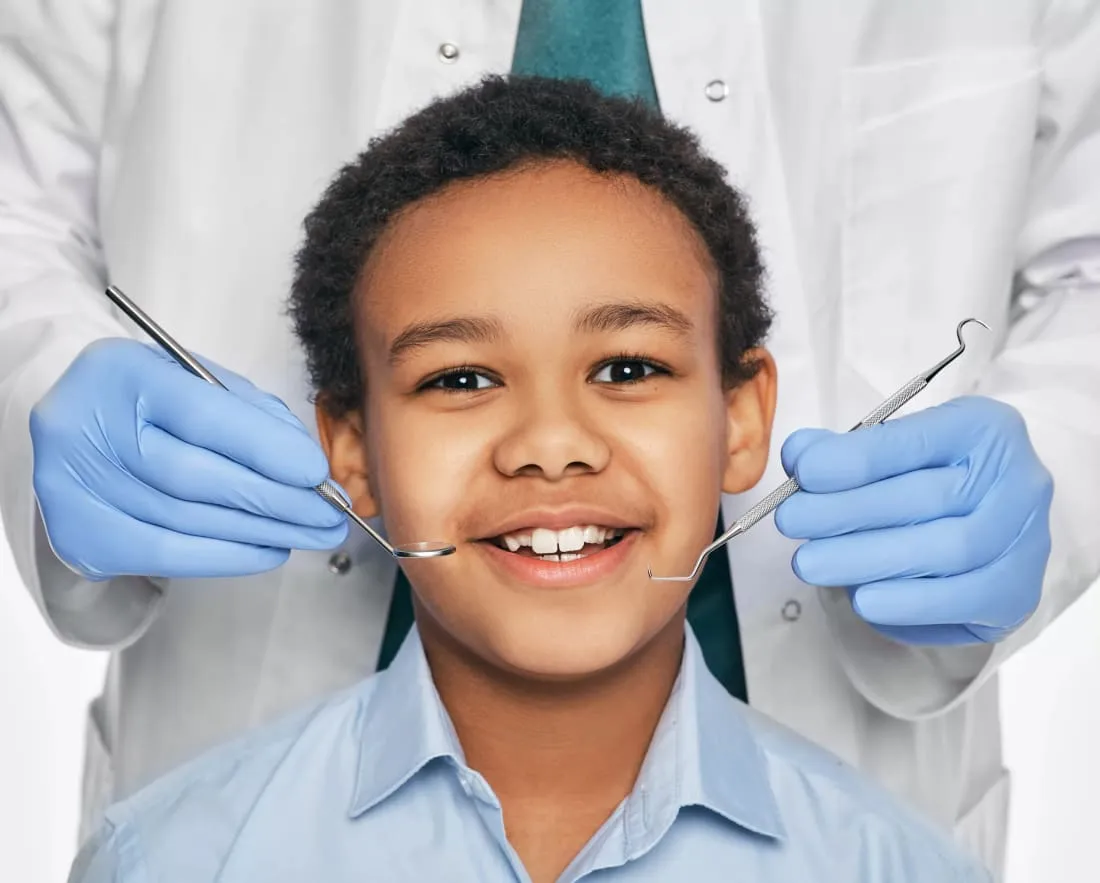
With young children, watch for behavioural changes such as refusing food, increased irritability, or disrupted sleep. Facial asymmetry is often easier to spot in children, and infections can spread faster because their immune systems are still developing. A child who suddenly will not eat and has a swollen cheek should be seen promptly.
Emergency treatment
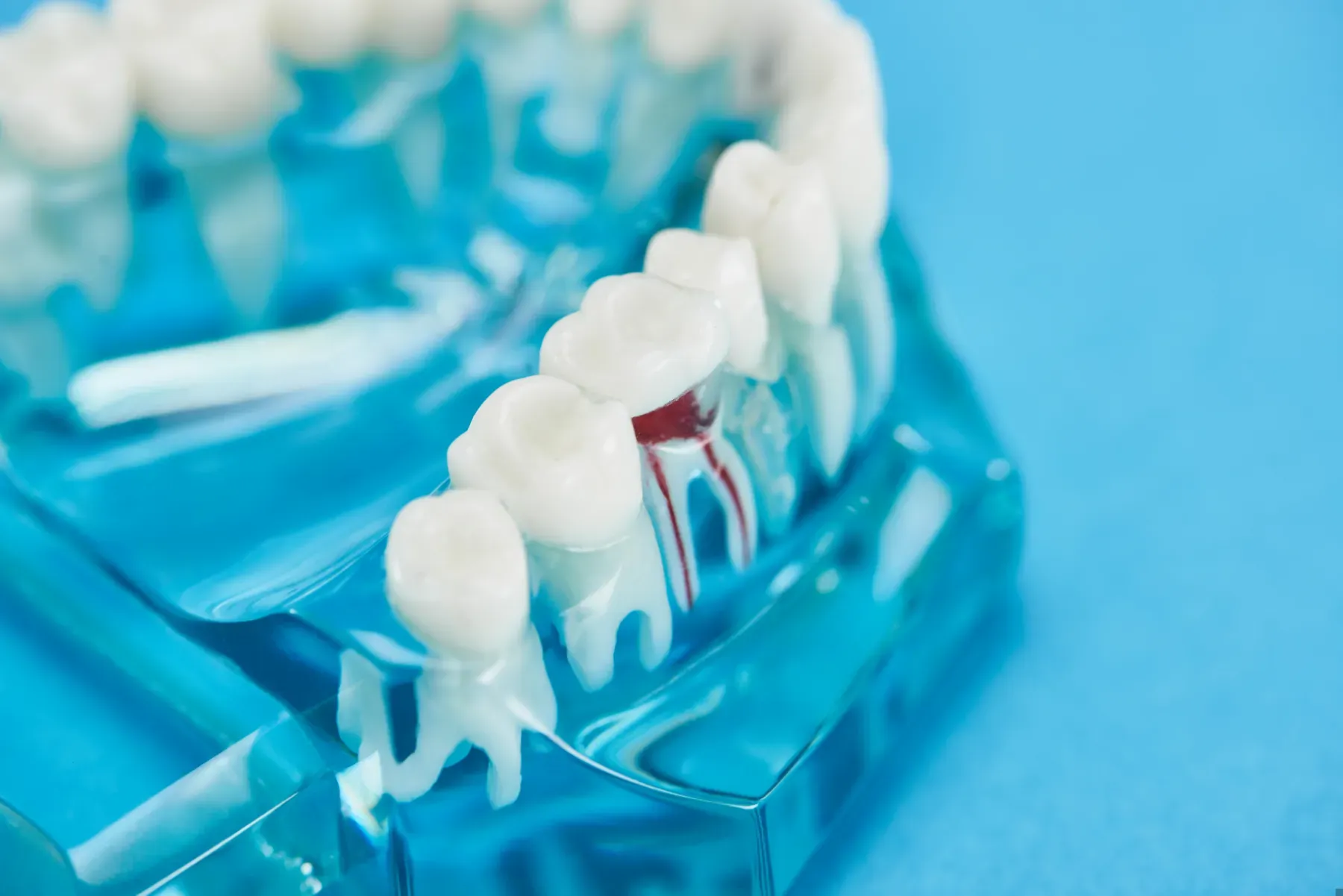
Treatment generally involves pain relief, antibiotic therapy, and drainage — either through root canal treatment or external drainage — along with addressing the source. Depending on the cause, that may mean a filling, treatment for gum disease, or an extraction.
Preventing dental infections

Regular dental exams and professional cleanings catch problems early, before bacteria reach deep into a tooth. Good daily oral hygiene removes the bacteria that start infections, and addressing dental issues promptly prevents complications. For people who grind their teeth, a custom night guard helps prevent the cracks that let bacteria in.
If you have facial swelling, a fever, or any trouble swallowing or breathing along with dental pain, do not wait — seek emergency care, and call 911 if your breathing is affected.
Frequently asked
When is a dental infection a medical emergency?
When it affects your airway. Difficulty swallowing or breathing, throat swelling, or any change in your airway means you should call 911 immediately. Spreading facial or neck swelling and a high fever with dental pain also need urgent emergency dental care the same day.
Can a tooth infection really spread to the rest of my body?
Yes. The mouth connects to vital structures through blood vessels and tissue spaces, so bacteria from an infected tooth can travel along natural pathways between muscle layers toward the head and neck. The Canadian Dental Association reports that untreated infections cause thousands of hospitalizations each year.
How is a dental infection treated?
Treatment combines pain relief, antibiotics when appropriate, and drainage — either through root canal treatment or external drainage — followed by addressing the source with a filling, gum treatment, or extraction.

Dr. Brian Hu, BSc · DMD


Have a question about your smile?
Book a visit and we'll give you clear, honest answers — and written pricing before anything begins.