
How we help patients overcome dental fear


- Dental fear is normal and very common — it usually comes from past experiences, fear of pain, or feeling a loss of control.
- Open communication and an agreed hand signal to pause treatment can dramatically reduce anxiety.
- Sedation options and short, gradual visits give nervous patients a way to ease back into regular care.
If the thought of a dental appointment makes you anxious, you’re far from alone — and there are real, practical ways to make it easier. Dental fear most often comes from a difficult past experience, worry about pain, or the feeling of losing control, and each of those can be addressed with the right approach.
Why people fear the dentist
Dental anxiety develops from a range of sources: an uncomfortable past visit, fear of pain, concerns about gagging, or simply feeling a loss of control in the chair. These fears are normal and widely shared.
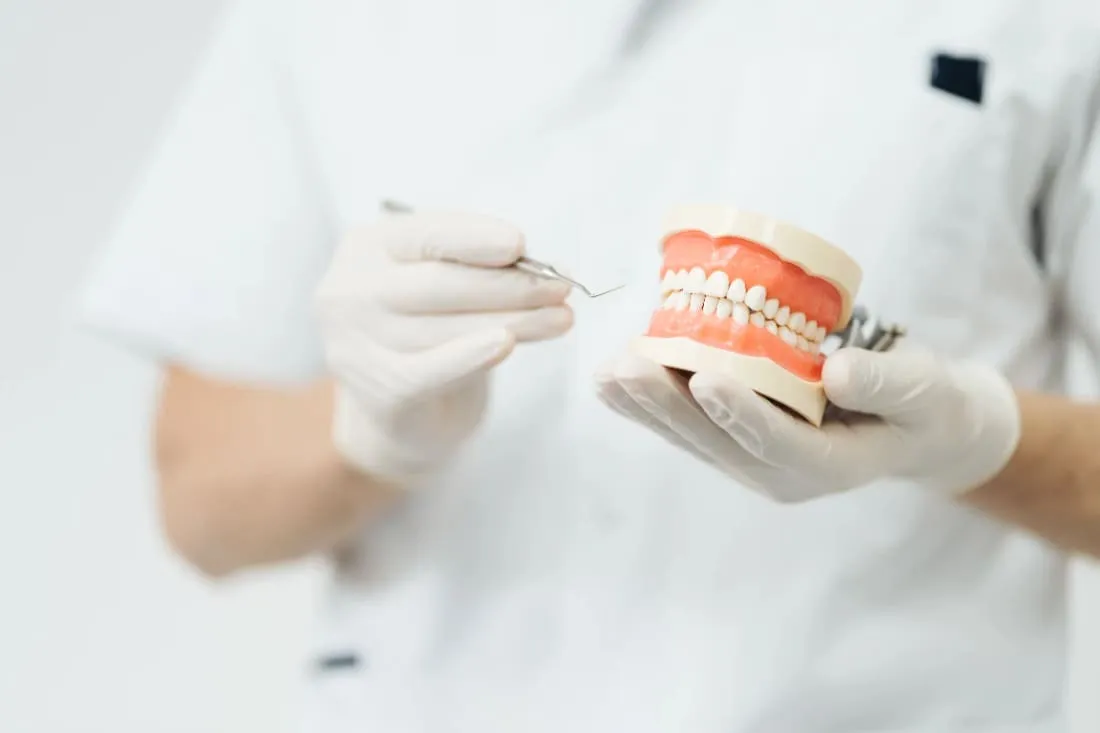
One of the most effective ways to manage fear is also one of the simplest: open communication between you and your dentist. When you can talk openly about what worries you, the whole experience changes.
Sedation options
For patients who need more than reassurance, oral sedation can help you stay calm and comfortable. Whether it’s a good fit is tailored to your individual health history and your comfort level.
Calm, communicative chairside care
A lot of anxiety eases when you know what’s happening and feel in control. That’s why the team explains procedures beforehand, checks in with you frequently during treatment, and sets up a hand signal so you can pause at any time.
Feeling heard, and knowing you can stop whenever you need to, makes a genuine difference to how an appointment feels.
Easing in with short, preventive visits
For some people, the best path forward is gradual. Short, low-stress appointments build confidence over time. Routine exams and cleanings are a gentle way to get used to the environment and get to know the team in a low-pressure setting, before any bigger treatment is needed.
Small things that help in the chair
Beyond sedation and communication, a number of small comforts can take the edge off an appointment. Bringing headphones and listening to music or a podcast can give your mind somewhere else to go. Scheduling your visit for a time of day when you tend to feel calmer, rather than squeezing it between stressful commitments, often helps too. Some people find it easier to bring a trusted friend or family member along to the appointment.
It also helps to know that you don’t have to do everything in one visit. Treatment can often be broken into shorter sessions so nothing feels overwhelming, and there’s no expectation that you’ll push through discomfort just to get it finished.
Hypnosis as a supportive tool

Some patients find guided relaxation and focused breathing — sometimes described as a form of hypnosis — helpful for quieting the body’s stress response. The idea is simple: by slowing your breathing and shifting your attention, you can calm the physical signs of anxiety like a racing heart or tense muscles. It’s an optional, supportive technique rather than a requirement, and it works well alongside the other approaches.
Building your comfort plan
There’s no single right way to manage dental fear, so the most effective approach is a plan built around you. That might combine clear communication, an agreed hand signal, a sedation option, and a slower pace of visits — whatever helps you feel calm and in control.
If anxiety has kept you away from the dentist, let us know when you book. We’ll talk through what’s worried you in the past and put together a comfort plan before any treatment begins.
Frequently asked
Why am I so afraid of the dentist?
Dental fear usually comes from a mix of sources: an uncomfortable past visit, worry about pain, concerns about gagging, or the feeling of not being in control. These reactions are completely normal and very common — and there are practical ways to manage them.
What sedation options are available for anxious patients?
We offer oral sedation, which can help you feel calmer and more comfortable during treatment. Whether it's a good fit depends on your health history and how anxious you feel, so it's decided together with your dentist.
What can I do during treatment if I feel overwhelmed?
Before starting, you and your dentist can agree on a hand signal that lets you pause treatment at any moment. Knowing you can stop whenever you need to — and that the team will check in with you regularly — helps many people feel far more at ease.

Dr. Brian Hu, BSc · DMD

Have a question about your smile?
Book a visit and we'll give you clear, honest answers — and written pricing before anything begins.