
Knocked-out tooth? How to save your smile

- A knocked-out permanent tooth is a true emergency — the first 30 minutes give the best chance of saving it.
- Pick the tooth up by the white crown only, never the root, and keep it moist in cold milk if you can't gently reinsert it.
- Never use tap water, soap, alcohol, or peroxide on the tooth, and call the dentist on your way in.
A knocked-out permanent tooth can often be saved, but only if you act fast — ideally within the first 30 minutes. Pick the tooth up by the crown, gently place it back in the socket if you can, and if you can’t, keep it moist in cold milk and get to a dentist immediately.
A tooth knocked out by a sports injury, a fall, or an accident feels devastating, but it doesn’t have to mean permanent tooth loss. What you do in the first few minutes matters more than almost anything else. Here’s how to handle this emergency and protect your tooth.
Why time matters for knocked-out teeth
When a tooth is knocked out, the delicate cells on the root surface begin dying right away. These periodontal ligament cells are what allow the tooth to reattach to the jawbone. According to the Canadian Dental Association, the success rate for reimplantation drops significantly after one hour, so immediate action is essential.
The sooner you reach emergency dental care, the better your chances of keeping your natural tooth. Teeth reimplanted within 30 minutes have the highest success rates, while those replaced after two hours rarely survive long-term.
Immediate first-aid steps
Your actions in the first few minutes determine whether reimplantation will work. Follow these steps in order.
Find the tooth immediately
Look for the entire tooth, including the root. If it’s dirty, rinse it gently with clean water or milk — never scrub the root surface or use soap, alcohol, or peroxide.
Handle only the crown
Pick up the tooth by the white crown only. Never touch the root, as this damages the cells needed for reattachment.
Try to reinsert the tooth
If the person is conscious and cooperative, gently place the tooth back into its socket. Have them bite down on a clean cloth to hold it in place.
If reinsertion isn’t possible
Keep the tooth moist. Cold milk maintains the proper environment for root cells; saline solution is a good second choice. Don’t use tap water, which can cause the root cells to burst.
Control bleeding
Have the person bite on clean gauze, applying gentle pressure to stop bleeding from the socket.
Get to the dentist immediately
Call ahead while someone drives you in. Every minute counts.
Timeline for successful reimplantation
-
0–30 minutes: The best window. Teeth replaced during this time have the highest success rates when proper protocols are followed.
-
30–60 minutes: A good chance of success with careful handling. Root cells are still viable, though success rates begin to decline.
-
1–2 hours: Success is possible with immediate professional treatment, though the tooth may need additional procedures later.
-
Beyond 2 hours: Natural reattachment is unlikely. The tooth can still be reimplanted as a temporary measure while planning for a longer-term replacement.
Research in Dental Traumatology confirms that the storage medium and time out of the mouth are the most critical factors in reimplantation success.
What to do on the way to the dentist
-
Keep the person calm, and reassure them that knocked-out teeth can often be saved.
-
Manage pain with over-the-counter medication if they can swallow safely.
-
Watch for other injuries from head trauma that might suggest a concussion.
-
Call the dental office ahead of time so the team can prepare for immediate treatment.
-
Don’t eat or drink anything unless medically necessary, especially if sedation might be needed.
Children vs. adults
Baby teeth are typically not reimplanted, because the procedure can damage the developing permanent tooth underneath. Care focuses on managing pain and preventing infection while the permanent tooth develops normally.
Permanent teeth in children and adults should always be reimplanted when possible. Younger patients often heal well, which can make successful reattachment more likely.
Mixed dentition cases need careful evaluation to determine which teeth are permanent and worth reimplanting versus baby teeth that should be left out.
What treatment involves
When you arrive for emergency care, the first priority is getting the tooth back into its socket quickly. The socket is cleaned gently, the tooth is positioned properly, and it’s secured with a flexible splint.
Local anesthesia keeps you comfortable during reimplantation, and antibiotics help prevent infection that could compromise healing. Follow-up care includes monitoring for proper healing and checking tooth vitality — some reimplanted teeth eventually need root canal treatment if the nerve doesn’t recover.
The splint typically stays in place for 7–14 days, allowing the periodontal ligaments to reattach. Most people return to normal activities within a few days.
Prevention for athletes and children
-
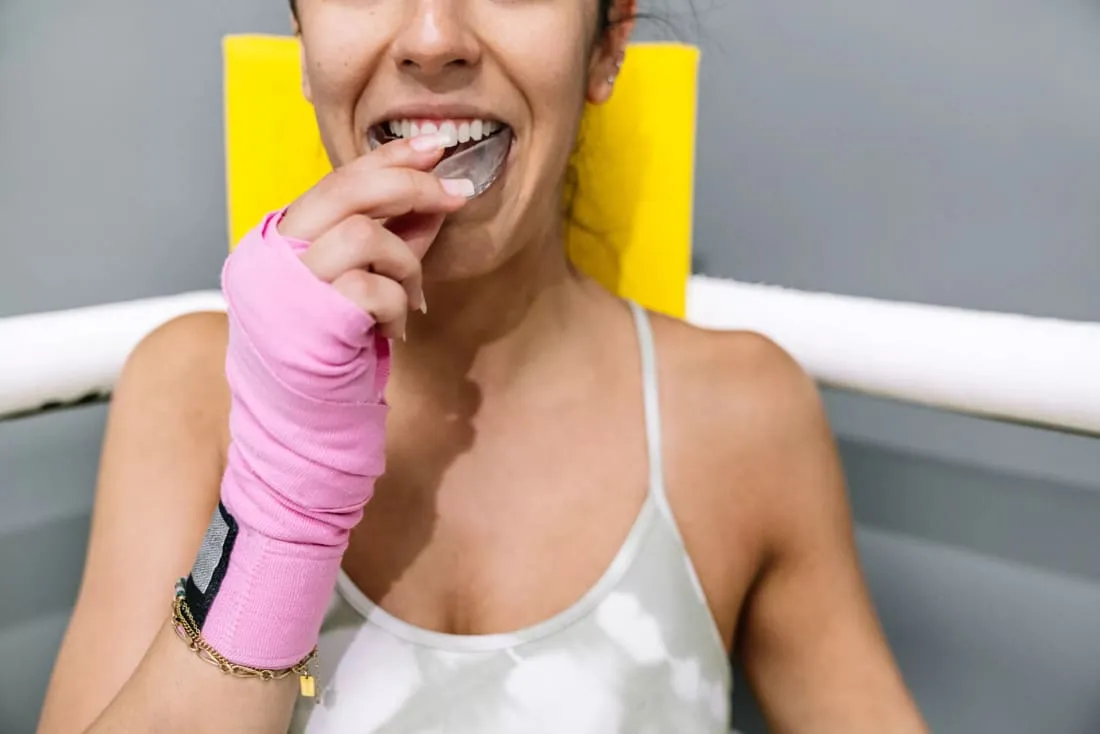
Custom mouthguards provide the best protection during sports and stay in place while allowing normal breathing.
-
Protective gear matters most in higher-risk activities such as basketball, football, hockey, and martial arts.
-
Home safety helps with younger children — secure furniture with sharp corners and keep play areas clear of hazards.
-
Regular dental visits can spot teeth that might be more susceptible to trauma before a problem develops.
A knocked-out tooth is a true emergency that calls for immediate action. Handle the tooth by the crown only, keep it moist in milk if you can’t reinsert it, and get to a dentist within 30 minutes for the best chance of saving your natural tooth.
Frequently asked
How long do I have to save a knocked-out tooth?
The first 30 minutes give the best chance of successful reimplantation. Success rates stay high within the first hour and decline after that, so treat any knocked-out permanent tooth as an immediate emergency.
What's the best way to store the tooth on the way to the dentist?
If you can't gently place it back in the socket, keep it moist in cold milk, which best preserves the root cells. Saline is a second choice. Avoid tap water, which can damage the root surface cells.
Should a knocked-out baby tooth be put back in?
Usually not. Reimplanting a baby tooth can damage the developing permanent tooth underneath, so care focuses on managing pain and preventing infection. A knocked-out permanent tooth, however, should be reimplanted whenever possible.

Dr. Brian Hu, BSc · DMD
Have a question about your smile?
Book a visit and we'll give you clear, honest answers — and written pricing before anything begins.