
Lost a filling or crown? What to do next

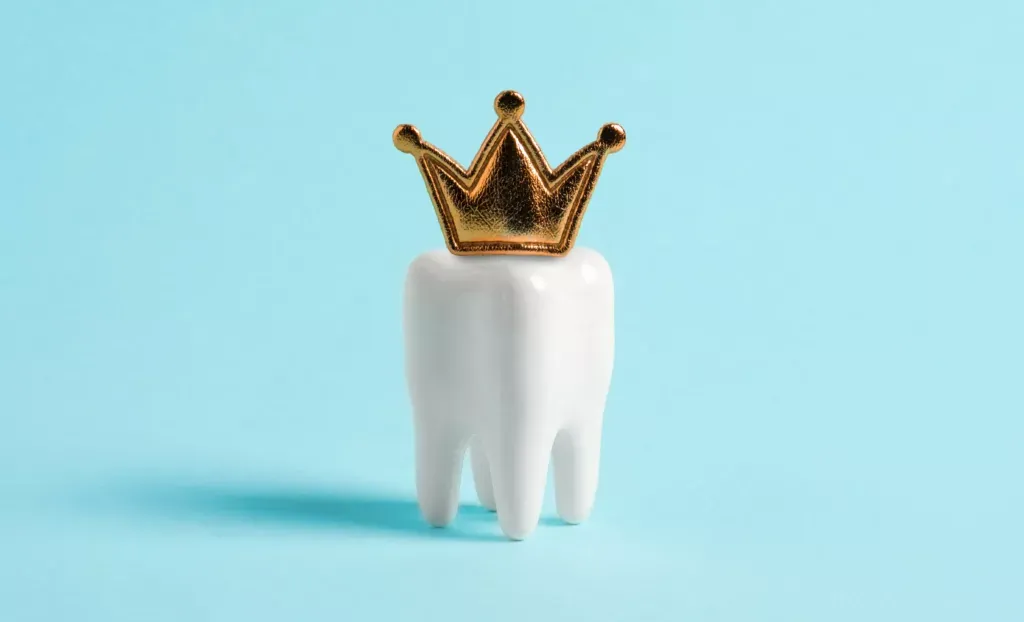
- A lost filling or crown leaves the tooth exposed; protect it by avoiding hard and sticky foods and chewing on the other side until you're seen.
- If you find the crown, keep it clean and bring it to your appointment — an undamaged crown can sometimes be re-cemented.
- Severe pain, swelling, fever, a bad taste, or a lost large restoration on a root-canalled tooth all call for urgent care.
A lost filling or crown is not always a dental emergency, but it leaves your tooth exposed and vulnerable. Protect the tooth by avoiding hard and sticky foods, rinse gently with warm salt water, save the restoration if you find it, and call a dentist — urgently if you have severe pain or signs of infection.
Losing a filling or crown can be alarming, especially when it happens on a weekend or while you’re eating. Understanding why dental work fails, how to protect the exposed tooth, and when the situation is urgent helps you prevent complications and avoid further damage.
Why dental work fails
Knowing why fillings and crowns come loose helps you prevent future problems and respond well when they do fail.
Normal wear and aging
Dental restorations don’t last indefinitely. Fillings typically last 5 to 15 years, while crowns can last 10 to 30 years with proper care. The constant forces of chewing gradually weaken the bond between a restoration and the tooth.
Decay under restorations
New cavities can develop around the edges of fillings or under crowns, where bacteria seep through microscopic gaps. Inconsistent oral hygiene speeds this up by letting bacteria build up around the margins.
Trauma and excessive force
Biting hard objects, grinding, or a facial injury can dislodge dental work. Habits like chewing ice or using your teeth as tools put excessive stress on restorations. A custom night guard helps protect against grinding damage during sleep.
Material breakdown
Older amalgam fillings can expand and contract with temperature changes and eventually break their seal with the tooth. Crown cement can also deteriorate over years of exposure to oral bacteria and acids.
Regular checkups help identify weakening restorations before they fail completely, which allows for planned replacement rather than emergency repairs.
Protecting the exposed tooth
When a filling or crown falls out, the exposed tooth structure becomes vulnerable to further damage, sensitivity, and infection. A little protection prevents complications while you arrange care.
Food and drink

Avoid very hot or cold beverages that can trigger severe sensitivity. Sticky foods such as caramel can lodge in the cavity left behind. Chew on the opposite side of your mouth to spare the exposed tooth.
Pain and sensitivity

Rinse gently with warm salt water to clean the area and reduce bacteria. Over-the-counter pain medication helps manage discomfort.
Gentle oral hygiene
Keep brushing and flossing, but be extra gentle around the affected tooth. Use a soft-bristled toothbrush and avoid vigorous scrubbing that might damage exposed tooth structure.
Save the restoration
If you find your lost crown, keep it clean and bring it to your appointment. An undamaged crown can sometimes be re-cemented when the underlying tooth is healthy.
When replacement is urgent
Some situations call for prompt emergency care rather than waiting.
-
Severe pain. Intense, throbbing pain that doesn’t respond to over-the-counter medication can indicate nerve exposure, which sometimes means root canal treatment is needed.
-
Signs of infection. Swelling around the tooth, fever, or a persistent bad taste suggests an infection that needs prompt treatment, as dental infections can spread quickly.
-
Sharp edges causing injury. If the broken restoration or exposed tooth has sharp edges cutting your tongue, cheeks, or gums, get it addressed quickly to prevent ongoing tissue damage.
-
Large restorations. When a substantial filling or crown is lost, the remaining tooth may be too weak for normal chewing, and delay risks a fracture that could lead to extraction.
-
Previous root canal treatment. Teeth that have had root canal therapy are more brittle and prone to fracture once their protective crown is gone, so these often need same-day attention.
Prevention is still the best approach. Regular exams and professional cleanings help identify weakening dental work before it fails.
A lost filling or crown needs prompt attention to prevent complications, even though not every case is an emergency. Protect the exposed tooth, manage any discomfort, and watch for the warning signs above. If you notice severe pain, signs of infection, or you’ve lost a large restoration, seek care promptly to protect your tooth and avoid more extensive treatment later.
Frequently asked
Is a lost filling or crown a dental emergency?
Not always. Many lost restorations can wait a short while for a regular appointment as long as you protect the tooth. It becomes urgent if you have severe throbbing pain, swelling, fever, a bad taste, sharp edges cutting your mouth, or a large restoration lost from a tooth that has had a root canal.
Can my old crown be put back on?
Sometimes. If you find the crown, keep it clean and bring it with you. When the crown is undamaged and the underlying tooth is healthy, it can often be re-cemented rather than replaced.
How do I protect the exposed tooth until I'm seen?
Avoid very hot or cold drinks and sticky foods, chew on the opposite side, and rinse gently with warm salt water to keep the area clean. Keep brushing and flossing, but be gentle around the affected tooth with a soft-bristled brush.
Why do fillings and crowns fall out?
Restorations wear out over years of chewing, new decay can form around their edges, trauma or grinding can dislodge them, and older materials or cement can break down and lose their seal. Regular checkups help catch weakening restorations before they fail.

Dr. Brian Hu, BSc · DMD


Have a question about your smile?
Book a visit and we'll give you clear, honest answers — and written pricing before anything begins.