
Making your child's first dental visit a positive experience


- Book the first visit by your child's first birthday, or within six months of the first tooth appearing.
- The first appointment is mostly about comfort and confidence — not a long or invasive exam.
- Simple at-home prep, like reading dental books and avoiding scary language, makes a real difference.
A child’s first dental appointment lays the groundwork for their oral health for years to come, so the goal of that first visit is simple: make it calm, friendly, and positive. A good early experience makes children far more likely to keep up with regular dental care — and far less anxious about it — for the rest of their lives.
Why the first visit matters
This appointment is about much more than counting teeth. It helps your child build trust with the dental team, form a good first impression of what dental care feels like, and start preventive habits early. It also gives the dentist a chance to spot small issues before they become bigger ones.
Children who have positive early dental experiences are more likely to keep seeing a dentist regularly throughout their lives, with less anxiety along the way. That early tone is worth getting right.
What to expect at your child’s first visit
The first visit is built around comfort and reassurance. The dental team typically offers a short tour of the office and introduces instruments gradually, using simple, child-friendly explanations so nothing feels surprising or intimidating.
The exam itself is gentle. The dentist checks how the teeth are developing and how the mouth looks overall. Depending on your child’s age and comfort level, there may be a light cleaning — but there’s no pressure to push through anything if your child isn’t ready.
Parents usually leave with practical guidance on:
-
Proper tooth-cleaning techniques for young children
-
Nutrition that supports healthy teeth
-
Managing pacifier and thumb-sucking habits
-
Choosing age-appropriate oral care products
Preparing your child at home
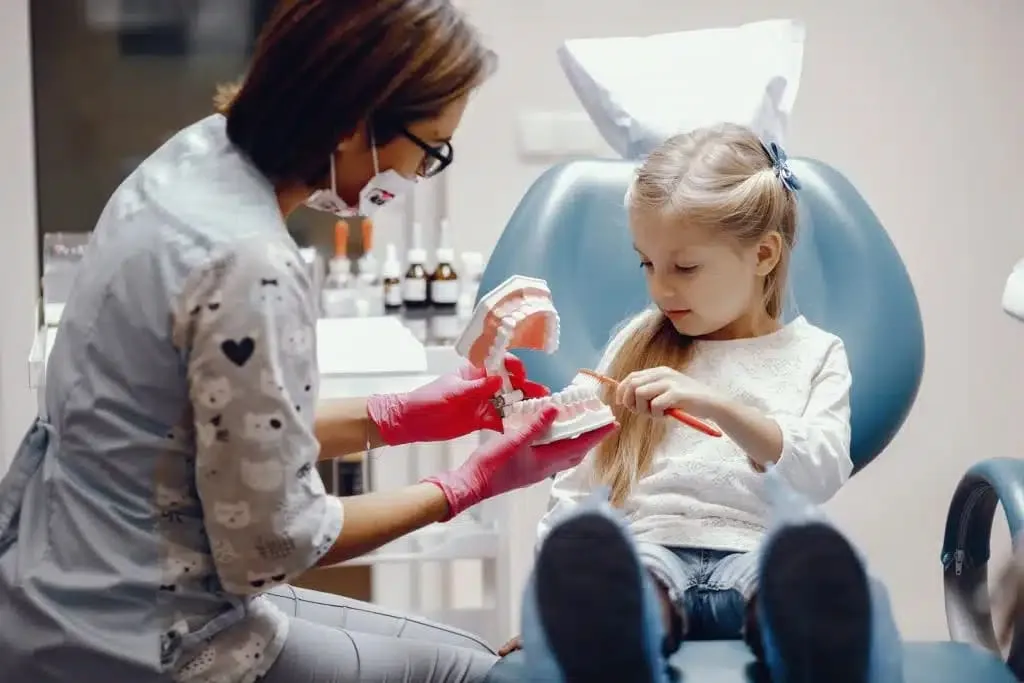
A little preparation goes a long way. Before the appointment, you can help your child feel ready by:
-
Reading dental-themed children’s books together
-
Role-playing a dentist visit with toys
-
Using positive, encouraging language about the appointment
-
Scheduling for a time when your child is well-rested
-
Keeping your own dental worries to yourself, so they don’t pick up on them
Good habits can start even before the first tooth. Wiping an infant’s gums with a soft, clean cloth helps keep the mouth healthy and gets your baby used to the routine.
When should the first visit happen?
Dental professionals generally recommend scheduling the first visit by the first birthday, or within six months after the first tooth appears. From there, regular six-month check-ups help children see dental care as a normal, everyday part of staying healthy rather than something to fear.
A child-centred approach
The best first visits happen in a child-friendly environment with a team that understands how young patients think and feel. The focus is on building a relationship, keeping things safe and unhurried, and celebrating the small milestones — so dental care becomes a habit your child can carry into adulthood.
If you have questions about your child’s first appointment or aren’t sure whether it’s time to book, we’re always happy to talk it through.
Frequently asked
When should my child have their first dental visit?
Most dental organizations recommend scheduling the first visit by your child's first birthday, or within six months of the first tooth appearing — whichever comes first. After that, check-ups every six months help children treat dental care as a normal part of staying healthy.
What happens at a child's first dental appointment?
The first visit is gentle and short. The dentist gives a friendly introduction to the office and instruments, checks how the teeth and gums are developing, and may do a light cleaning depending on the child's age and comfort. Parents get tips on brushing, nutrition, and habits like thumb-sucking.
How can I prepare my child so they aren't scared?
Read dental-themed children's books, play pretend dentist with toys, use positive language about the appointment, and schedule it when your child is well-rested. Try not to pass on your own dental worries — kids pick up on them quickly.

Dr. Brian Hu, BSc · DMD

Have a question about your smile?
Book a visit and we'll give you clear, honest answers — and written pricing before anything begins.