
What happens if you don't get a root canal?

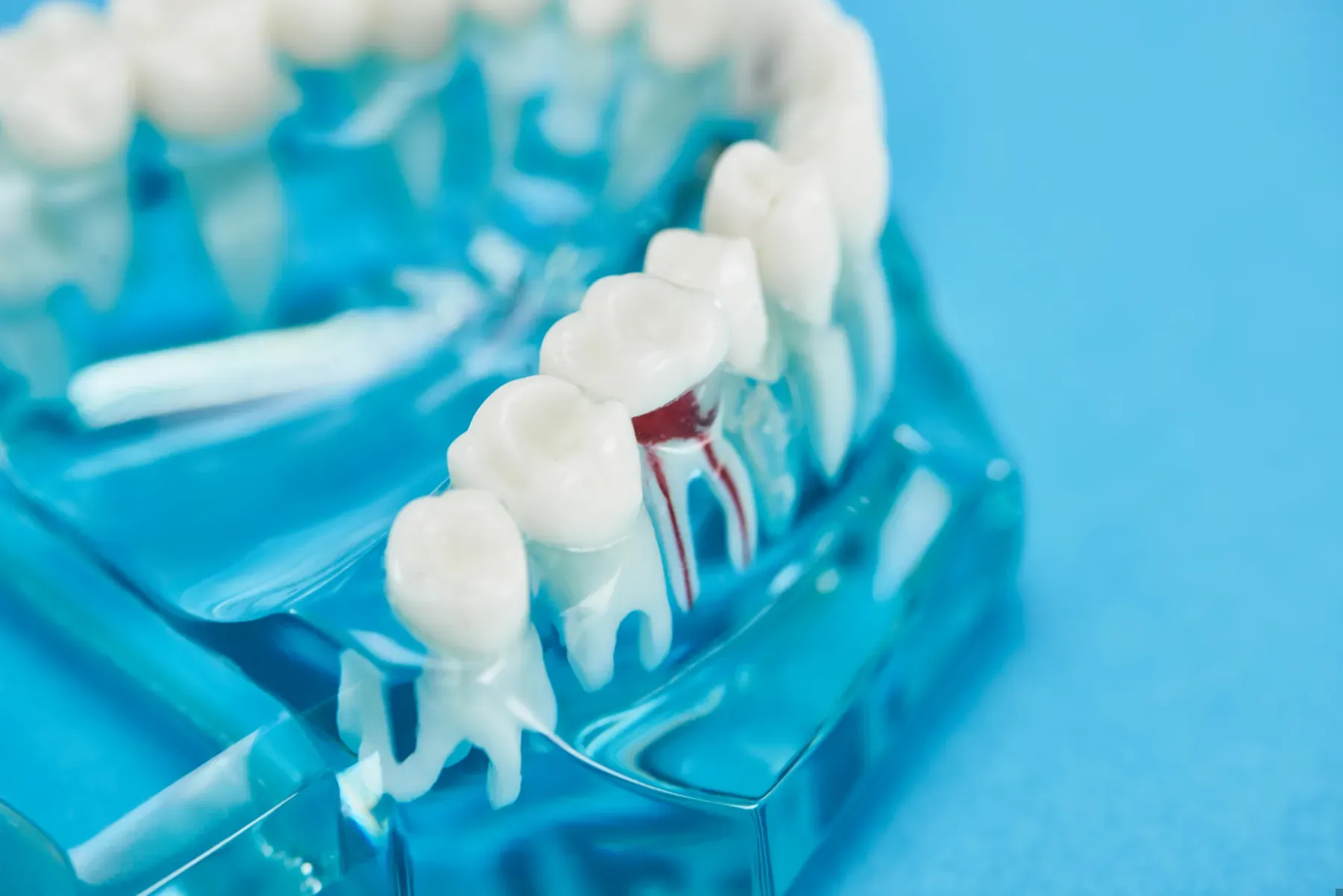
- An infected tooth pulp does not heal on its own — delaying a root canal lets the infection spread.
- Temporary relief usually means the nerve has died, not that the infection has cleared.
- Waiting can lead to an abscess, bone loss, and eventual tooth loss, which costs more to treat than the root canal would have.
A tooth that needs a root canal will not heal on its own. The nerve tissue inside is already infected or dying, and that process doesn’t reverse itself. Putting off treatment lets the infection spread, brings the pain back worse than before, and makes the tooth harder to save.
Hearing that you need a root canal can be stressful. Maybe you have a busy schedule, feel nervous about the procedure, or hope the tooth will get better on its own. Those reactions are normal — but understanding what happens when treatment is delayed can help you make an informed decision.
Why a root canal gets recommended
A root canal becomes necessary when bacteria reach the pulp — the soft tissue inside your tooth that contains nerves and blood vessels. This usually happens because of deep decay, a crack, or trauma. Once bacteria are inside the pulp chamber, the tissue becomes inflamed and infected, and your body can’t clear that infection on its own because the blood supply to the area is compromised.
The procedure removes the infected tissue, cleans and shapes the canals inside the root, and seals the tooth to prevent reinfection. When done promptly, most teeth can be saved and continue functioning for years.
What happens when you wait
In the early stages of a pulp infection, you might notice sensitivity to hot or cold that lingers longer than it should, or a dull ache that comes and goes. Sometimes the pain temporarily subsides, which can feel like the problem is resolving. Unfortunately, that often means the nerve has died, not that the infection has cleared.
As the infection progresses without treatment, bacteria multiply and spread beyond the tip of the root into the surrounding jawbone. This can lead to an abscess — a pocket of pus at the base of the tooth. Abscesses cause intense, throbbing pain that can radiate into the jaw, ear, and neck. Swelling in the face or gums is common, and some people develop a fever.
At this point the infection is no longer contained to one tooth. It is actively breaking down the bone around the root and can spread to neighbouring teeth. In rare but serious cases, a dental infection can enter the bloodstream or spread to the throat and airway, which becomes a medical emergency. The Canadian Dental Association notes that untreated dental infections are one of the most common reasons for emergency room visits related to oral health.
The pain cycle that fools people
One of the tricky things about an infected tooth is the way the pain behaves. You might have a few terrible days followed by a stretch where things feel almost normal. This cycle leads many people to believe the problem has passed.
What’s actually happening is that the nerve inside the tooth is dying. A dead nerve doesn’t send pain signals, so you get temporary relief — but the bacteria are still active, still multiplying, and still spreading. The next wave of pain is usually worse than the last because the infection has grown. By the time it returns, you may be dealing with an abscess, bone loss, or a tooth that can no longer be saved.
When a tooth can no longer be saved
There’s a window where a root canal can rescue a tooth that might otherwise be lost. Once that window closes, extraction becomes the only option. This happens when the infection has destroyed too much of the tooth structure or surrounding bone, or when a vertical fracture develops in the weakened root.
Losing a tooth creates a chain reaction. The teeth on either side start to shift, your bite changes, and the jawbone in that area begins to shrink because it no longer has a root to support it. Replacing a missing tooth with a dental implant or bridge is a more involved and expensive process than the root canal would have been.
The cost of waiting
Putting off a root canal rarely saves money. Done early, the treatment is straightforward: remove the infection, seal the tooth, and place a crown. Many dental plans in BC cover a significant portion of root canal treatment.
When treatment is delayed, costs rise. You may need antibiotics to manage a spreading infection before the root canal can be done. If the tooth is lost, replacement options like implants or bridges cost considerably more and require multiple appointments over several months. What starts as a single procedure can turn into a multi-step treatment plan.
What if you’re nervous about the procedure?
Fear of the procedure is one of the most common reasons people delay root canals. If that sounds familiar, it helps to know that modern root canal treatment is nothing like its reputation. With current techniques and anaesthetics, most patients describe the experience as similar to getting a filling.
Sedation dentistry is also available for patients who need extra help feeling comfortable, whether it’s mild anxiety or a stronger dental phobia. Talking through your concerns and finding a solution is far better than avoiding treatment that protects your health.
A tooth that needs a root canal will not heal on its own. The infection will keep spreading, the pain will return and worsen, and the risk of losing the tooth grows with every week that passes. Early treatment is simpler, less expensive, and gives you the best chance of keeping your natural tooth for the long term. If you’ve been told you need a root canal, or you have tooth pain that comes and goes, don’t wait for it to become an emergency.
Frequently asked
Will a tooth that needs a root canal heal on its own?
No. Once bacteria reach the pulp, the tissue becomes inflamed and infected, and the body can't clear it because the blood supply is compromised. Without treatment the infection continues to spread.
Why did my tooth pain go away without treatment?
Pain often fades because the nerve inside the tooth has died, not because the infection has cleared. The bacteria are still active and spreading, and the next wave of pain is usually worse.
What happens if I wait too long for a root canal?
The infection can spread into the surrounding bone, form an abscess, and damage neighbouring teeth. Eventually the tooth may no longer be savable and need extraction, which leads to more involved and costly replacement.
Is a root canal painful?
With modern techniques and anaesthetics, most patients describe a root canal as similar to getting a filling. Sedation options are available for anyone who feels anxious about the procedure.

Dr. Brian Hu, BSc · DMD


Have a question about your smile?
Book a visit and we'll give you clear, honest answers — and written pricing before anything begins.